In today's fast-paced technological landscape, organizations are increasingly turning to an AI server system integrator to enhance their operations. This critical component streamlines the deployment of artificial intelligence within various systems. The role of an AI server system integrator is to ensure that AI applications function seamlessly with existing infrastructure.
Organizations often struggle with the complexity of integrating AI into their systems. Many lack the expertise needed to harness AI's full potential. An AI server system integrator provides the necessary guidance and support, optimizing performance and minimizing risks. These specialists have a thorough understanding of both AI technologies and system architecture.
While selecting an AI server system integrator, companies should consider factors such as experience and reliability. Not every integrator will fit every organization's needs. This can lead to mismatches that disrupt operations. Reflection on past integration experiences can help in making an informed choice. Investing in an effective AI server system integrator can yield significant benefits, shaping the future of operations.
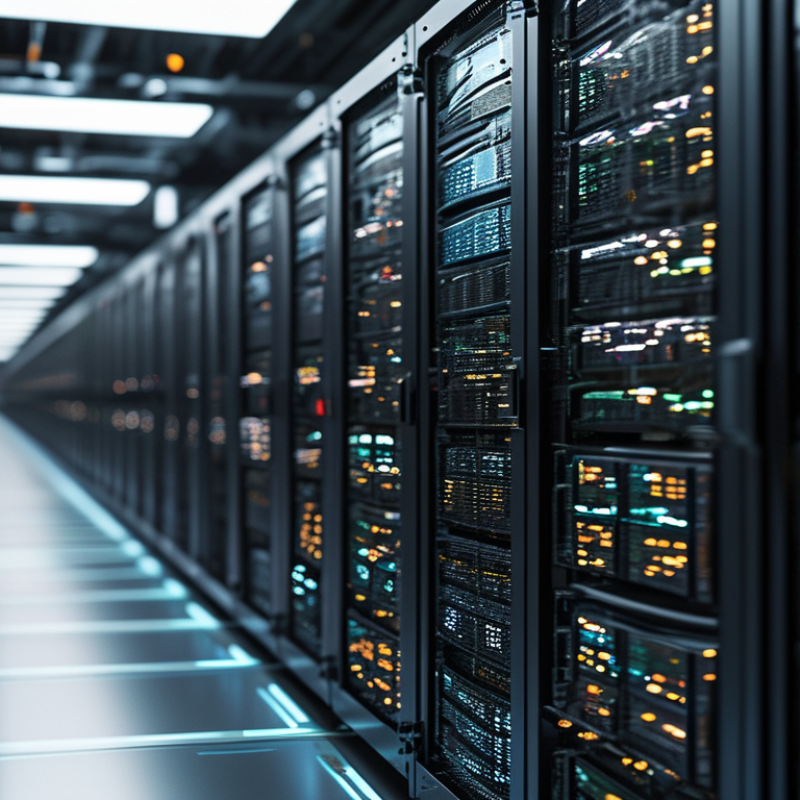
What is an AI Server System Integrator?
An AI Server System Integrator plays a pivotal role in modern technology infrastructures. This integrator combines hardware and software to create AI-centric solutions. These systems are designed to optimize performance, ensuring that complex AI algorithms run efficiently. According to reports from industry analysts, the AI server market is projected to grow significantly, reaching over $30 billion by 2026. This growth underscores the need for specialized integration.
The responsibilities of an AI Server System Integrator encompass various tasks, including configuring servers for machine learning and data processing. A successful integrator understands the nuances of different AI applications. They identify the specific needs of businesses to deliver tailored solutions. However, as technology evolves, the challenge lies in keeping pace with new advancements. Integrators must continuously update their expertise.
Effective integration can lead to substantial improvements in productivity and analytics. A well-integrated system can reduce processing times by up to 40%, as noted in recent studies. Yet, it also invites scrutiny regarding data management and security. Integrators face the risk of overload, potentially compromising system reliability. This dynamic landscape requires ongoing learning and adaptation to meet emerging challenges.
Key Functions of an AI Server System Integrator
AI server system integrators play a vital role in establishing the framework for AI applications. They ensure that hardware, software, and network components work harmoniously. According to industry reports, the global AI market is expected to reach $733 billion by 2027. This growth highlights the increasing necessity for expert integration services.
One major function of an AI server system integrator is system design. Integrators analyze requirements and create tailored solutions. This includes selecting appropriate servers, storage devices, and networking equipment. Another key function is deployment. Proper installation can reduce downtime and enhance efficiency. Companies can leverage this expertise to scale their AI projects quickly.
Monitoring and maintenance also form an integral part of their responsibilities. Regular updates and performance assessments help in maximizing system potential. Reports indicate that organizations implementing specialized integrator services see up to a 30% increase in operational efficiency. However, not every integration is flawless; issues may arise if compatibility isn't assessed properly. Continual professional support is crucial to navigating these challenges effectively.
Benefits of Using an AI Server System Integrator
An AI server system integrator plays a crucial role in enhancing business operations. They create customized solutions that merge hardware and software. According to a McKinsey report, 70% of organizations that adopt AI see significant increases in productivity. This statistic underscores the value of a well-integrated system.
The benefits of using an AI server system integrator include improved data processing and management. Companies often struggle to analyze large datasets effectively. Integrators provide the expertise needed to streamline these processes. A study by Gartner indicates that businesses using AI can improve decision-making speed by up to 50%. Such significant improvements can lead to competitive advantages in various sectors.
However, implementing AI systems does come with challenges. Many organizations experience integration issues when merging existing systems with new technology. This can lead to delays and increased costs. Additionally, organizations may not achieve their desired outcomes without proper training and support. A seamless integration strategy should include ongoing evaluation and adjustment to address these issues.
Challenges in Implementing AI Server Systems
Implementing AI server systems presents significant challenges that organizations must navigate. One major hurdle is the integration of diverse technologies. Many businesses face difficulty when trying to link new AI infrastructure with existing systems. A report by Gartner indicates that over 60% of organizations experience integration issues during their AI deployments. This can lead to delays and increased costs, frustrating project teams and stakeholders alike.
Another challenge is the skill gap in AI technology. According to a LinkedIn study, 62% of organizations report a shortage of skilled professionals in AI and machine learning. This shortage complicates the development and maintenance of AI server systems. Furthermore, without the right expertise, businesses may struggle to leverage AI effectively. Data security also remains a pressing concern. The potential risks of data breaches can deter companies from fully committing to AI solutions.
Budget constraints often play a significant role as well. Implementing AI server systems requires substantial investment. Reports from Deloitte highlight that nearly 70% of enterprises worry about the financial implications of such technologies. Organizations must be prepared to allocate resources wisely while managing the unpredictability of these costs. These challenges call for careful planning and strategic foresight in adopting AI infrastructure.
Future Trends in AI Server System Integration
The integration of AI into server systems is rapidly evolving. Recent reports indicate that the AI server market is projected to reach $22 billion by 2026, representing significant growth. This expansion is driven by the dramatic increase in data generation and the need for real-time processing. As companies adopt AI technologies, the integration process becomes crucial. An effective AI server system integrator can streamline deployment, ensuring optimal performance and efficiency.
Future trends suggest a shift towards hyper-converged infrastructure. This could simplify resource management and enhance system scalability. Research shows that over 80% of companies plan to incorporate AI capabilities in their server systems within the next three years. However, many face challenges. Identifying the right tools and ensuring compatibility often proves difficult. Maintaining system robustness while integrating new technologies requires careful planning and expertise.
Security remains a concern. With rising cyber threats, the integration process must prioritize protective measures. Strategies like end-to-end encryption and secure access protocols will become standard practices. The benefits of AI server system integration are clear, but organizations must navigate these complexities thoughtfully. The future appears promising, but mindful implementation will be key to success.
What is an AI Server System Integrator and Its Benefits? - Future Trends in AI Server System Integration
| Dimension |
Description |
Benefit |
| Performance Optimization |
Fine-tuning server systems for optimal resource utilization. |
Increased processing speed and efficiency. |
| Scalability |
Designing systems that can grow with demands. |
Cost-effective expansion options. |
| Integration |
Seamless merging of diverse AI applications. |
Improved functionality and user experience. |
| Cost Reduction |
Streamlining processes reduces operational costs. |
Enhanced return on investment. |
| Security Enhancements |
Implementing robust security protocols. |
Protection against data breaches and vulnerabilities. |
Conclusion
An AI server system integrator plays a crucial role in the deployment and management of artificial intelligence infrastructures. This integrator is responsible for designing and implementing server systems that are tailored to support AI workflows, ensuring that hardware and software components work seamlessly together. Key functions include system design, performance optimization, and ongoing support, which collectively enhance the efficiency and reliability of AI applications.
The benefits of using an AI server system integrator are multifaceted; they not only streamline the integration process but also enable organizations to leverage the full potential of AI technologies. However, challenges do exist, such as compatibility issues and the complexity of AI systems. Looking ahead, future trends in AI server system integration point towards more automated and scalable solutions that will further improve system performance and adaptability in an ever-evolving technological landscape.
 NovaAI Compute
