NovaAI Compute
As the demand for high-performance computing continues to rise, the role of GPU server suppliers has never been more critical. According to a recent report by MarketsandMarkets, the GPU server market is projected to grow from $3.2 billion in 2021 to $8.4 billion by 2026. This growth is driven by applications in AI, machine learning, and data analysis, which require advanced processing capabilities.
Dr. Emily Chen, a leading expert in the GPU industry, noted, "Choosing the right GPU server supplier can significantly impact a business's capacity to innovate." This insight reflects the importance of reliability and performance in selecting a supplier. With numerous options available, buyers must carefully evaluate GPU server suppliers based on their technological advancements, service reliability, and customer support.
Competition is fierce among suppliers, complicating the decision-making process. It's essential for buyers to consider both established brands and emerging players. Evaluating the pros and cons of each supplier can lead to a better purchasing decision. The landscape is dynamic, making it vital to stay informed about industry trends and supplier capabilities. This exploration of the top 10 GPU server suppliers promises to guide buyers towards making informed choices.
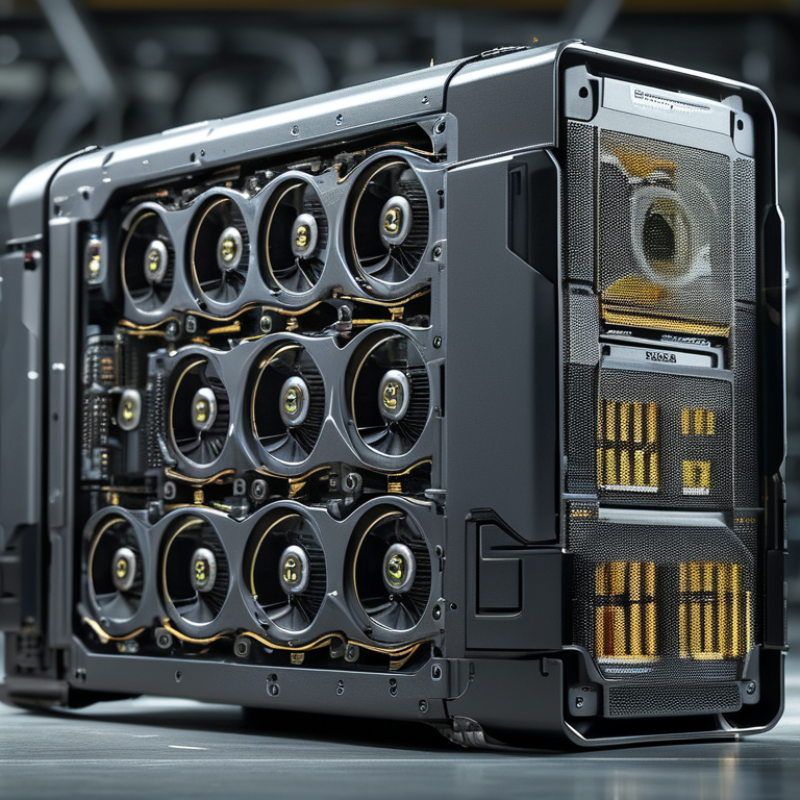
The surge in GPU server demand in 2026 is driven by various key trends. According to a recent report from IDC, the artificial intelligence (AI) market is projected to grow at a staggering rate of 20% annually. This growth directly influences the need for more robust GPU servers. Businesses are increasingly leveraging AI for data analysis, automation, and enhanced customer experiences. This shift requires potent computational capabilities, typically found in advanced GPU models.
Another critical trend is the rise of cloud gaming. As noted by TechCrunch, the global cloud gaming market could exceed $6 billion by 2026. This boom demands high-performance GPU servers that can support massive user bases without latency issues. In addition, industries like healthcare and finance are harnessing GPU servers for real-time data processing. The ability to process large datasets efficiently drives organizations to invest heavily in these technologies.
Moreover, as enterprises adopt hybrid cloud strategies, the integration of GPU servers into cloud infrastructures becomes essential. The Hybrid Cloud Infrastructure Index indicates that up to 45% of organizations plan to expand their hybrid cloud environments in the next few years. While these trends highlight opportunities, they also push companies to rethink their server capacities and management strategies. Adapting to such rapid changes can be challenging, but necessary for staying competitive.
When selecting a GPU server, numerous features demand attention. Performance is crucial. The ability to handle multiple parallel computations defines efficiency in tasks such as AI and data processing. Look for high core counts and advanced cooling solutions to prevent overheating. Thermal management should support consistent performance under load.
Scalability presents another vital aspect. As projects grow, your hardware must adapt. A modular design can facilitate upgrades without overhauling the entire system. Additionally, consider the network capabilities. A high bandwidth and low-latency connection will enhance data transfer speeds, making your operations smoother.
Energy efficiency is often overlooked yet critical. An energy-efficient server reduces operational costs and minimizes environmental impact. Also, pay attention to customer support. Reliable assistance from suppliers can save time during technical issues. Do not hesitate to evaluate the warranty options provided. These features reflect the supplier's confidence in their product.
The landscape of GPU server suppliers is rapidly evolving as demand grows. By 2026, the global GPU server market is projected to reach approximately $20 billion. This growth highlights the increasing reliance on AI, machine learning, and complex data processing.
Major suppliers are competing fiercely to capture market share. Analysis shows that flexibility and scalability are key factors influencing buyer decisions. Some suppliers focus on high-performance processing, while others emphasize energy efficiency. Notably, reports indicate that the average performance-per-watt of GPUs has improved significantly, making newer models more attractive. However, the adoption of these advanced systems presents challenges, particularly related to cost and integration into existing infrastructures.
Market segmentation reveals distinct preferences among buyers. For instance, cloud service providers prioritize high throughput, while academic institutions may seek cost-effective solutions. A recent report indicates that 52% of buyers consider vendor support critical. Buyers must weigh their specific requirements against supplier capabilities. The competitive landscape necessitates ongoing evaluation, as not all suppliers can consistently meet evolving industry standards.
The GPU server market is evolving rapidly, driven by emerging technologies. As machine learning, artificial intelligence, and big data analytics gain prominence, the demand for powerful computing solutions surges. Businesses need to process vast amounts of data efficiently. This is where advanced GPU servers come into play, offering higher performance and better energy efficiency.
Virtualization is another technology transforming the landscape. It allows multiple virtual servers to run on a single GPU server. This maximizes resource utilization and reduces costs. However, companies must carefully manage these resources. Over-provisioning can lead to inefficiencies and wasted performance. Continuous monitoring and adjustment are essential.
The integration of cloud services with GPU servers is also changing the game. Organizations are leveraging cloud capabilities to scale their operations quickly. Yet, it's not without challenges. Security concerns and data privacy issues require comprehensive strategies. As the market grows, navigating these hurdles will be crucial for success.
As we look towards 2026 and beyond, the landscape of GPU server suppliers is expected to shift significantly. By 2026, the global GPU server market is predicted to exceed $30 billion. This growth will be driven by increasing demands for AI, machine learning, and big data analytics. Companies need to adapt quickly to this change. Suppliers must enhance their offerings with more powerful, energy-efficient solutions. Emerging technologies will challenge traditional server paradigms.
Data from the International Data Corporation (IDC) indicates a potential 20% increase in GPU adoption in cloud services by 2027. The need for hybrid cloud environments will intensify, and suppliers should prepare for this transformation. However, while competition grows, some may struggle to keep pace. A major challenge is ensuring scalability and performance. Not all suppliers will be able to meet rising expectations. Industry insiders emphasize the importance of strategic partnerships and innovations in cooling and power management.
It's crucial for suppliers to invest in research and development. As AI technologies evolve, so too must the infrastructure that supports them. The focus should be on specialized GPU architectures for specific applications. Direct user feedback is imperative. Suppliers should always be open to reevaluating their services. Continuous improvement should be a priority to remain relevant in this fast-evolving market.
| Rank | Supplier Type | Market Share (%) | Primary Applications | Forecasted Growth Rate (%) |
|---|---|---|---|---|
| 1 | Cloud GPU Providers | 35 | AI, ML, Data Processing | 20 |
| 2 | Enterprise Solutions | 25 | Big Data, Analytics | 15 |
| 3 | Gaming GPU Servers | 20 | Game Streaming, VR | 25 |
| 4 | Deep Learning Frameworks | 15 | Neural Network Training | 30 |
| 5 | Virtualization Solutions | 12 | Enterprise Virtual Machines | 10 |
| 6 | Custom Hardware Providers | 8 | Specialized Computing | 12 |
| 7 | Hyperscale Providers | 7 | Large Scale Workloads | 18 |
| 8 | Open Source Initiatives | 5 | Community and Research | 22 |
| 9 | Edge Computing Suppliers | 3 | IoT, Mobile Applications | 14 |
| 10 | Consulting and Services | 2 | Implementation Guidance | 16 |
: The demand is driven by AI market growth and cloud gaming trends.
The AI market is projected to grow at 20% annually.
Businesses need powerful GPUs for data analysis, automation, and improving customer experiences.
The rise of cloud gaming requires high-performance servers for large user bases.
Look for performance, scalability, energy efficiency, and good customer support.
Energy-efficient servers lower operational costs and reduce environmental impact.
Many organizations are expanding hybrid cloud environments, increasing the need for GPU integration.
Companies must navigate costs and integration issues during transitions to advanced systems.
Reliable vendor support is crucial for addressing technical issues promptly.
Preferences differ; cloud providers want high throughput, while institutions may seek cost-effective options.
The landscape of GPU servers is rapidly evolving, driven by significant trends such as increased demand for AI and machine learning applications, enhanced data processing capabilities, and the rise of cloud computing. Buyers in 2026 are expected to prioritize key features in GPU servers, including performance efficiency, scalability, and energy management. A comprehensive comparative analysis of leading GPU server suppliers highlights their strengths and weaknesses, guiding global buyers in making informed decisions.
Additionally, emerging technologies such as advanced cooling systems, better integration with edge computing, and support for virtualization are poised to reshape the GPU server market. As we look beyond 2026, predictions suggest that GPU server suppliers will need to adapt to these advancements and continue innovating to meet the needs of a growing, tech-savvy audience. Understanding these dynamics will be crucial for buyers aiming to choose the best GPU server supplier that aligns with their technical and operational requirements.
