NovaAI Compute
In today’s rapidly evolving technological landscape, industrial AI servers play a crucial role. They drive innovation and efficiency across various industries. However, choosing the right industrial AI server manufacturer is not simple. Companies must evaluate multiple factors, including performance, reliability, and support.
The leading industrial AI server manufacturers offer a variety of products suited for different needs. Their expertise can guide enterprises in optimizing their AI workloads. Many of these manufacturers focus on enhancing server capabilities, but not all meet high standards. Potential buyers should consider the credibility of these companies carefully. Understanding their strengths and weaknesses helps in making informed decisions.
As industries increasingly rely on AI, the demand for effective server solutions grows. Organizations must seek out reputable industrial AI server manufacturers. Identifying the top players in this field can lead to successful implementations. Reliable manufacturers ensure robust support and continuous innovation, making them integral to the future of industrial AI.
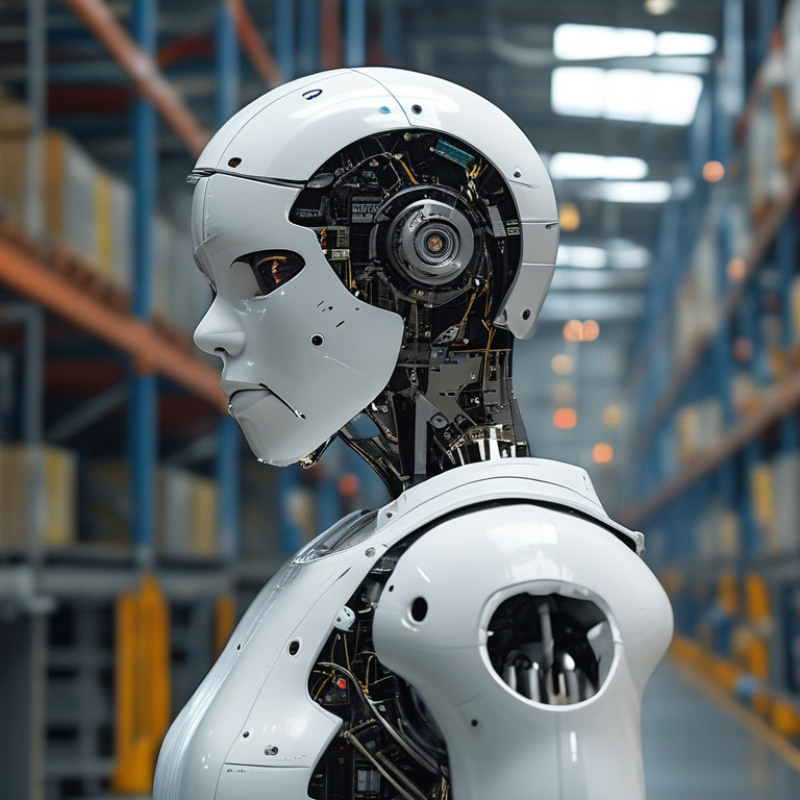
The industrial AI server manufacturing industry is rapidly evolving. Companies are integrating advanced artificial intelligence capabilities to enhance productivity and streamline operations. This growth is fueled by a rising demand for data processing and real-time analytics. Manufacturers face the challenge of keeping pace with new technologies and market needs.
While many players are striving for innovation, the diversity of solutions can be overwhelming. Some manufacturers focus on high-performance servers, while others emphasize energy efficiency. The variation leads to a spectrum of offerings, making it difficult for businesses to choose the right solution. Reliability is key, yet not all servers perform consistently under load.
Investments in research and development are crucial for keeping up with trends. However, some manufacturers lack sufficient resources to innovate effectively. This exposes companies to risks when selecting technology partners. It can result in costly mistakes and wasted resources. The industry must prioritize transparency and collaboration to foster a more reliable ecosystem.
The development of industrial AI servers is influenced by several key technologies. One critical technology is machine learning algorithms, which enhance predictive maintenance and operational efficiency. These algorithms analyze vast amounts of data from machinery, identifying patterns that signal potential failures before they occur. This anticipatory capability can drastically reduce downtime and maintenance costs.
Another significant technology is edge computing. By processing data closer to the source, it minimizes latency and increases responsiveness. This is especially vital for real-time decision-making in industrial settings. However, integrating edge devices with existing infrastructure poses challenges. Compatibility issues often arise, requiring careful planning and execution.
Data security remains a top concern in this landscape. As industrial AI servers handle sensitive information, robust security protocols are essential. Cyber threats can jeopardize not only data integrity but also operational continuity. Organizations constantly reassess their security strategies, finding balance between innovation and safeguarding assets. Continuous reflection on these aspects is necessary to evolve with the rapidly changing technological landscape.
The industrial AI server market is evolving rapidly. Recent reports show a projected growth rate of over 30% annually through 2026. This surge is fueled by advancements in machine learning and data analytics. These technologies are essential for industries seeking efficiency and innovation. Companies increasingly rely on AI-driven insights for decision-making and performance improvement.
When evaluating manufacturers in this space, consider those with a strong track record in AI integration. Look for companies that prioritize scalability and reliability in their server solutions. Many leading providers focus on thermal management and energy efficiency, as these factors significantly impact operating costs.
Keep an eye on the evolving landscape. New players and technologies enter the market regularly. As AI applications expand, the capabilities of servers must adapt. Regularly reassess the vendor landscape to ensure alignment with your organization's changing needs. Engaging with industry experts can provide valuable insights into selecting the right solutions.
In today's industrial landscape, AI servers play a crucial role in optimizing processes and enhancing data analysis capabilities. Various manufacturers stand out by offering unique features aimed at different operational needs. One provider is known for its powerful processing capabilities, catering specifically to applications in real-time analytics. Their systems support advanced machine learning algorithms, boosting efficiency in critical tasks.
Another manufacturer focuses on energy efficiency, which is increasingly important for sustainable operations. Their servers not only minimize energy consumption but also maximize performance. In contrast, a third option emphasizes ease of integration with existing systems, simplifying the deployment process for companies looking to incorporate AI technologies. Each of these providers brings different strengths to the table, making it essential for organizations to reflect on their specific needs and long-term goals.
While many industrial AI servers offer impressive capabilities, potential users must critically evaluate their choices. Some features may seem attractive but could lead to unforeseen challenges, such as compatibility issues. It's also important to consider the support and maintenance services offered by each manufacturer. Selecting the right AI server is a complex decision that requires careful consideration of both immediate needs and future scalability.
| Manufacturer | Processor Type | RAM Options | Storage Solutions | AI Optimization | Price Range |
|---|---|---|---|---|---|
| Manufacturer A | Intel Xeon | 32GB - 512GB | HDD/SSD (up to 10TB) | Yes | $5000 - $15000 |
| Manufacturer B | AMD EPYC | 64GB - 1TB | NVMe SSD (up to 20TB) | Yes | $7000 - $20000 |
| Manufacturer C | ARM Cortex | 16GB - 256GB | SSD (up to 5TB) | Limited | $3000 - $8000 |
| Manufacturer D | Intel Xeon | 128GB - 2TB | Hybrid (SSD + HDD) | Yes | $6000 - $18000 |
| Manufacturer E | AMD Ryzen | 8GB - 128GB | SSD (up to 4TB) | Basic | $2000 - $6000 |
| Manufacturer F | Intel Xeon | 64GB - 1TB | High-speed SSD (up to 8TB) | Yes | $8000 - $22000 |
| Manufacturer G | AMD EPYC | 128GB - 2TB | SSD + HDD (up to 15TB) | Advanced | $10000 - $25000 |
| Manufacturer H | ARM Cortex | 16GB - 128GB | eMMC/SSD (up to 2TB) | Yes | $1500 - $4000 |
| Manufacturer I | Intel Xeon | 256GB - 4TB | NVMe SSD (up to 30TB) | Comprehensive | $12000 - $30000 |
| Manufacturer J | AMD EPYC | 512GB - 8TB | Hybrid Storage (up to 25TB) | Highly Optimized | $15000 - $35000 |
Industrial AI servers are shaping the future of manufacturing and automation. These servers integrate machine learning and advanced analytics to enhance productivity. By leveraging real-time data, industries can streamline operations and minimize downtime. New developments promise to deliver more efficient data processing capabilities. As AI evolves, the demand for these solutions will only increase.
Innovations in edge computing are driving the next wave of industrial AI servers. With edge devices processing data closer to the source, organizations can reduce latency. This enables quicker decision-making. Enhanced security measures are also emerging. In an era where data breaches are a concern, these innovative solutions must address vulnerabilities. Some manufacturers struggle to keep pace with rapid technological change.
Moreover, collaboration between hardware and software developers is vital. This partnership fosters resilience in AI server ecosystems. Organizations must remain open to integrating new technologies. Finding the right balance between implementation speed and reliability can be challenging. As industries adapt, they should continuously reflect on system performance and scalability. The journey to optimize industrial AI servers is ongoing.
I servers?
It processes data closer to the source, reducing latency and enabling real-time decision-making for industrial applications.
Compatibility issues with existing infrastructure often complicate the integration process, requiring detailed planning.
These servers manage sensitive information, and strong security protocols are vital to protect data integrity and operational continuity.
They need to reflect on their specific operational needs, future scalability, and support services from manufacturers.
They focus on unique features like processing power, energy efficiency, or ease of integration depending on user requirements.
Some appealing features may lead to unforeseen compatibility issues or performance challenges down the road.
It helps them evolve their strategies and security measures to keep pace with changing technological and operational demands.
The industrial AI server manufacturing industry is rapidly evolving, driven by advances in technologies such as machine learning, data analytics, and edge computing. These key technologies are enabling manufacturers to develop more powerful and efficient AI server solutions tailored to the needs of various sectors, including manufacturing, healthcare, and logistics. As businesses increasingly turn to AI to enhance operational efficiencies, understanding the landscape of industrial AI server manufacturers becomes essential.
This article highlights the top 10 industrial AI server manufacturers, comparing their features and offerings. It provides insights into how these leading players are adapting to market demands and the innovations they are introducing. Looking ahead, future trends indicate a continuing shift towards more integrated and scalable AI server solutions, emphasizing the importance of collaboration between manufacturers and end-users to harness the full potential of AI in industrial applications.
