NovaAI Compute
NovaAI Compute
NovaAI Compute
Explore our industrial-grade processing nodes optimized for low latency, maximum VM density, and DeepSeek AI workload virtualization.
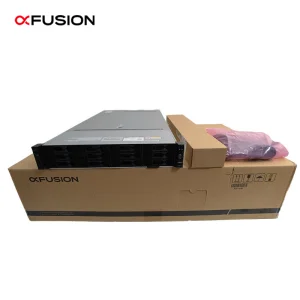
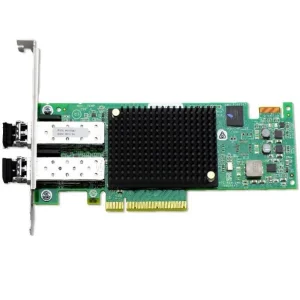
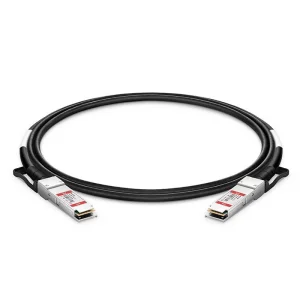
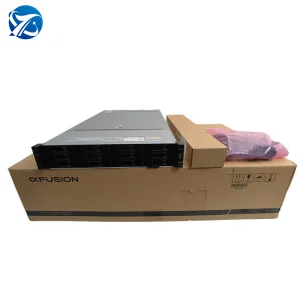

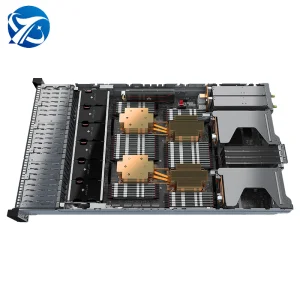
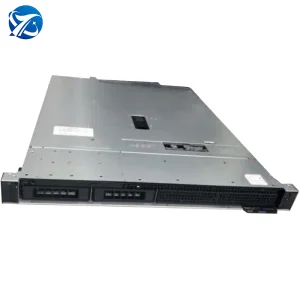
Established in 2018, NovaAI Technology Co., Ltd. (Brand: NovaAICompute) stands at the forefront of AI computing infrastructure and high-performance server virtualization solutions. Over the past 8 years of dedicated industry experience and 8 years of international export experience, we have specialized in delivering robust virtualization, cloud-scale computational nodes, and specialized deep learning rack hardware to critical markets including Eastern Europe, the Middle East, and North America.
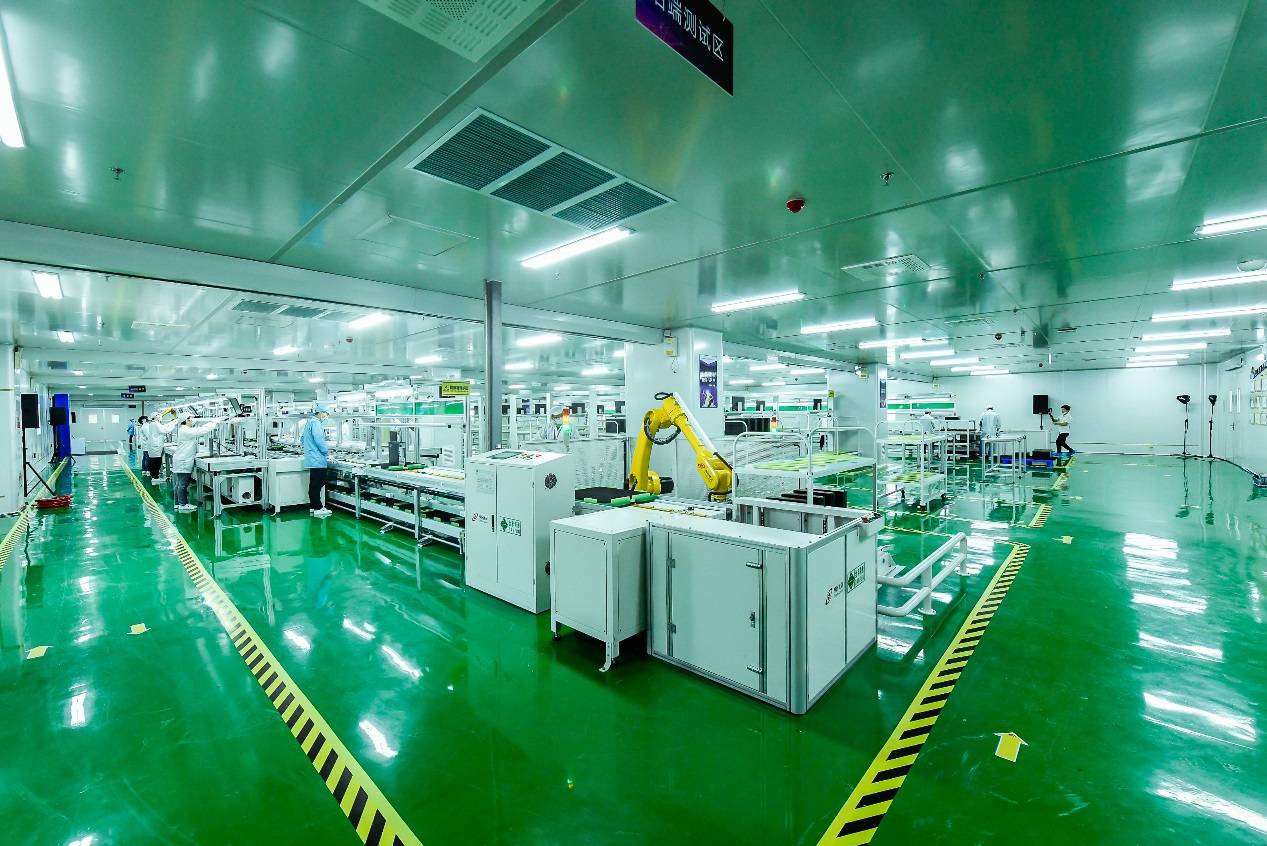
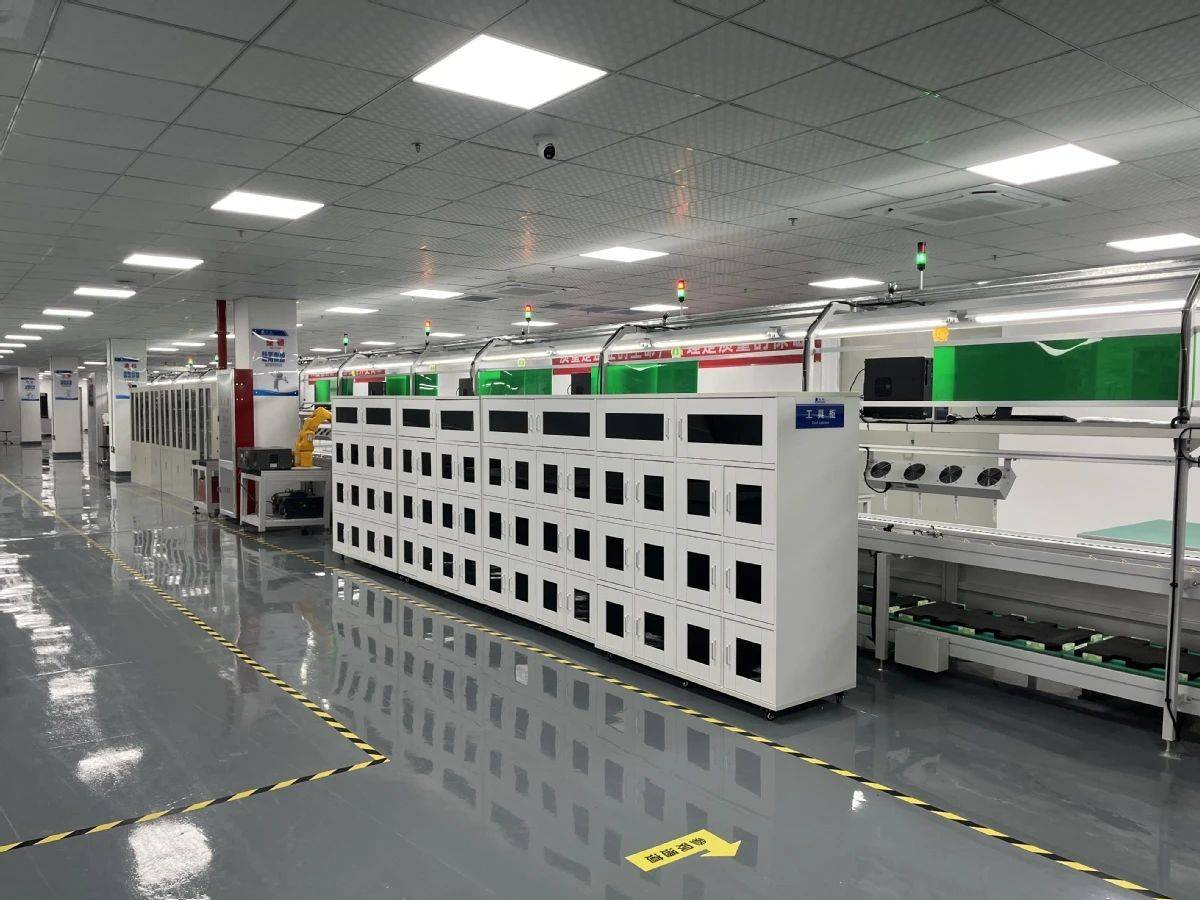
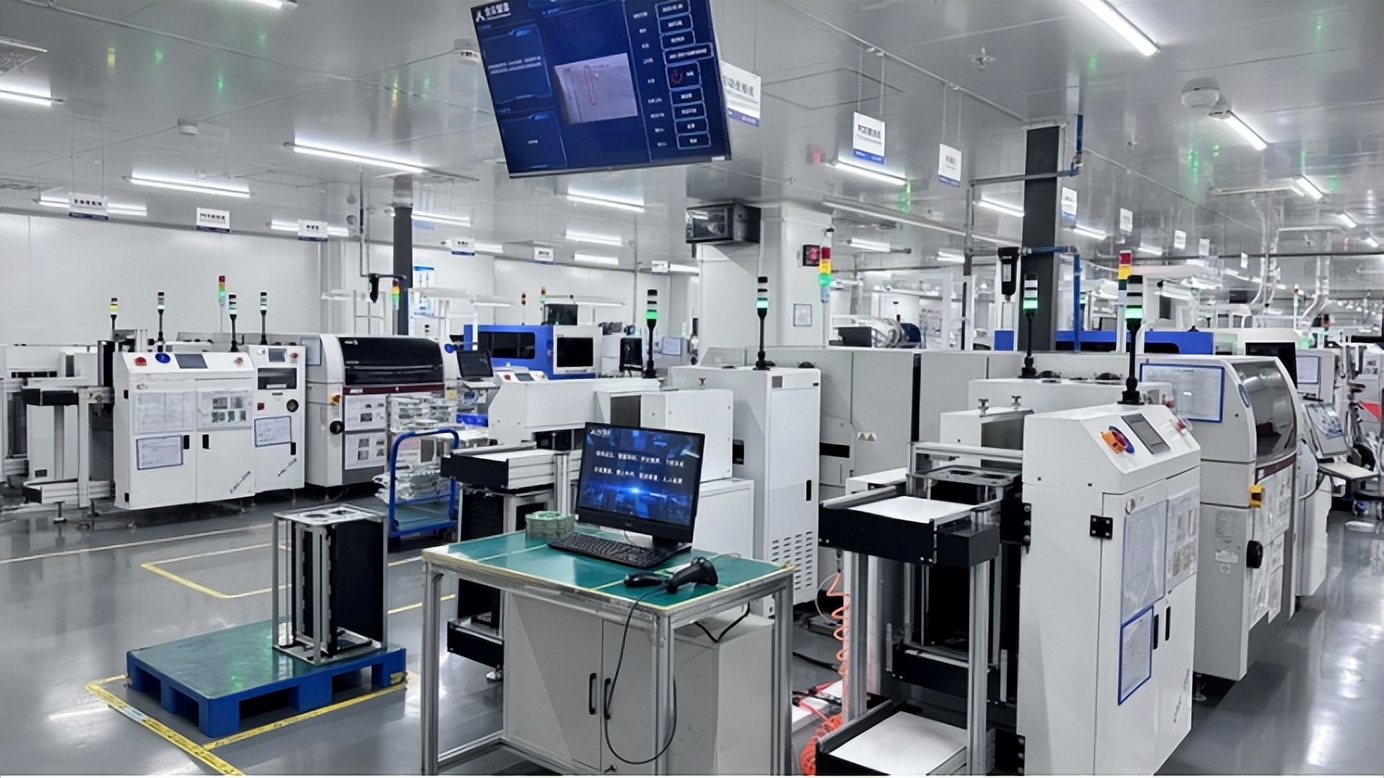
By leveraging an extensive manufacturing and supply chain network consisting of over 300 collaborative raw material and technology partners, NovaAI operates from a specialized facility structured to orchestrate high-complexity production runs. Our performance is validated by an annual export revenue reaching USD 1.54 million in the past fiscal year, demonstrating a proven capacity for executing large-scale, cross-border corporate projects.
"We are committed to delivering stable, high-performance, and secure AI computing hardware that bridges the gap between raw silicon power and optimized virtual hypervisors."
How next-generation virtualization platforms drive lower TCO, increase energy efficiency, and optimize density for modern software-defined data centers.
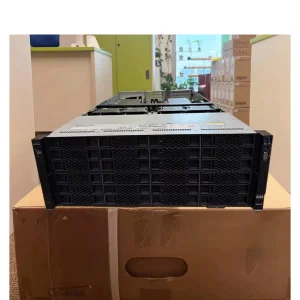
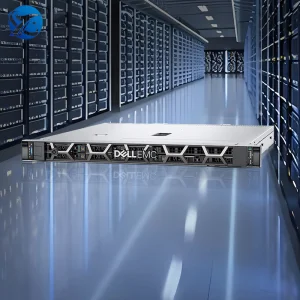
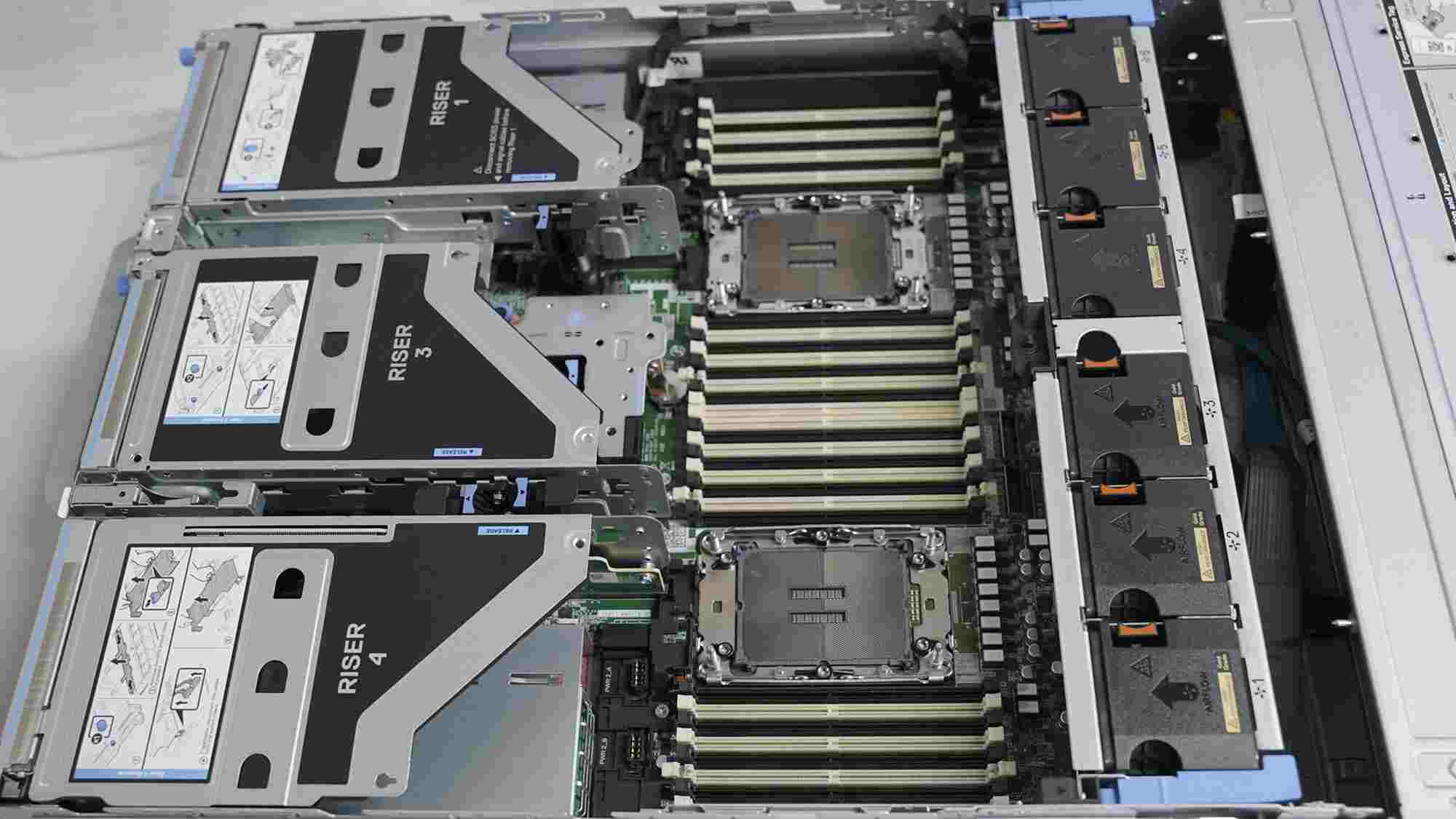
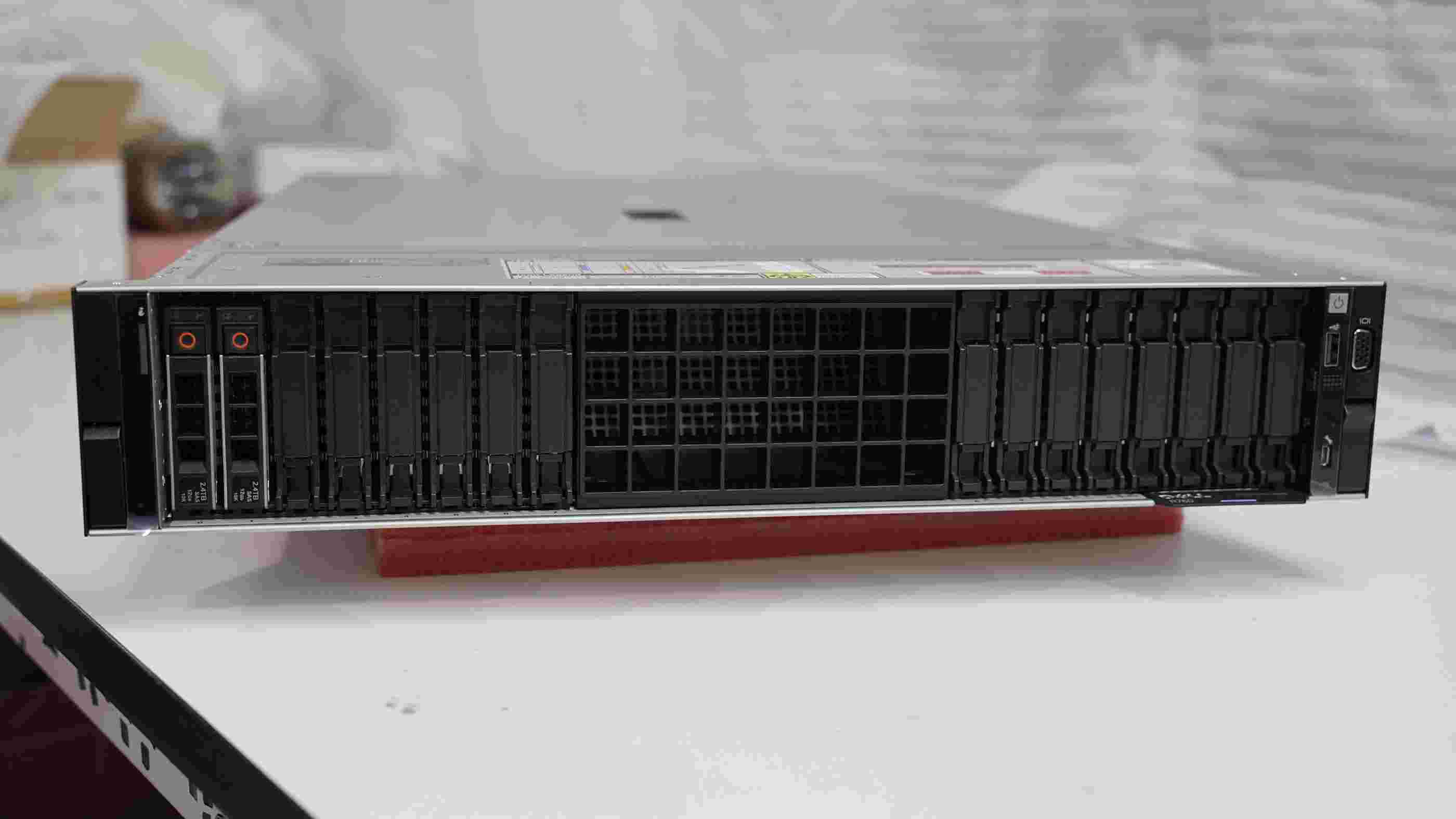
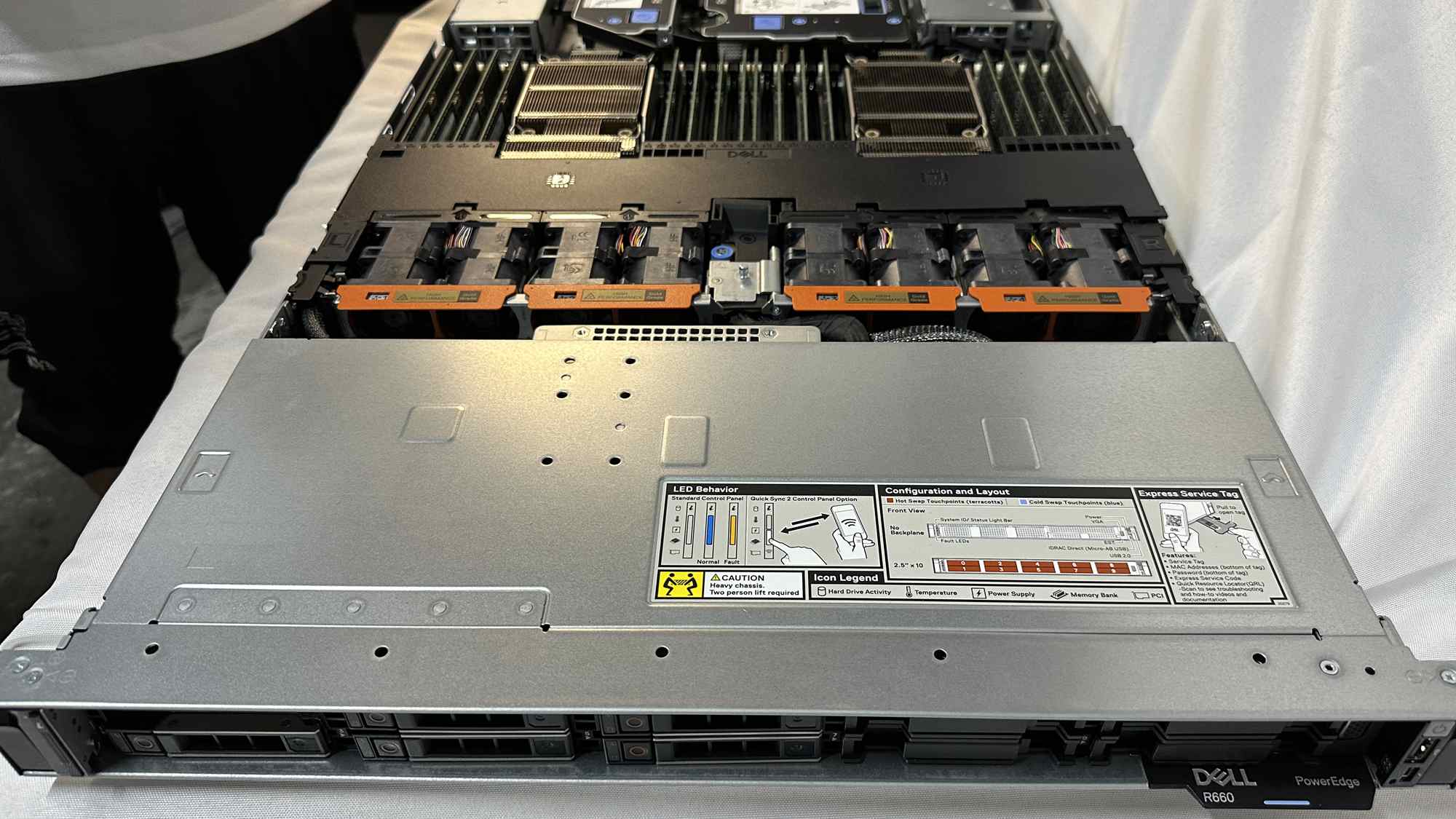
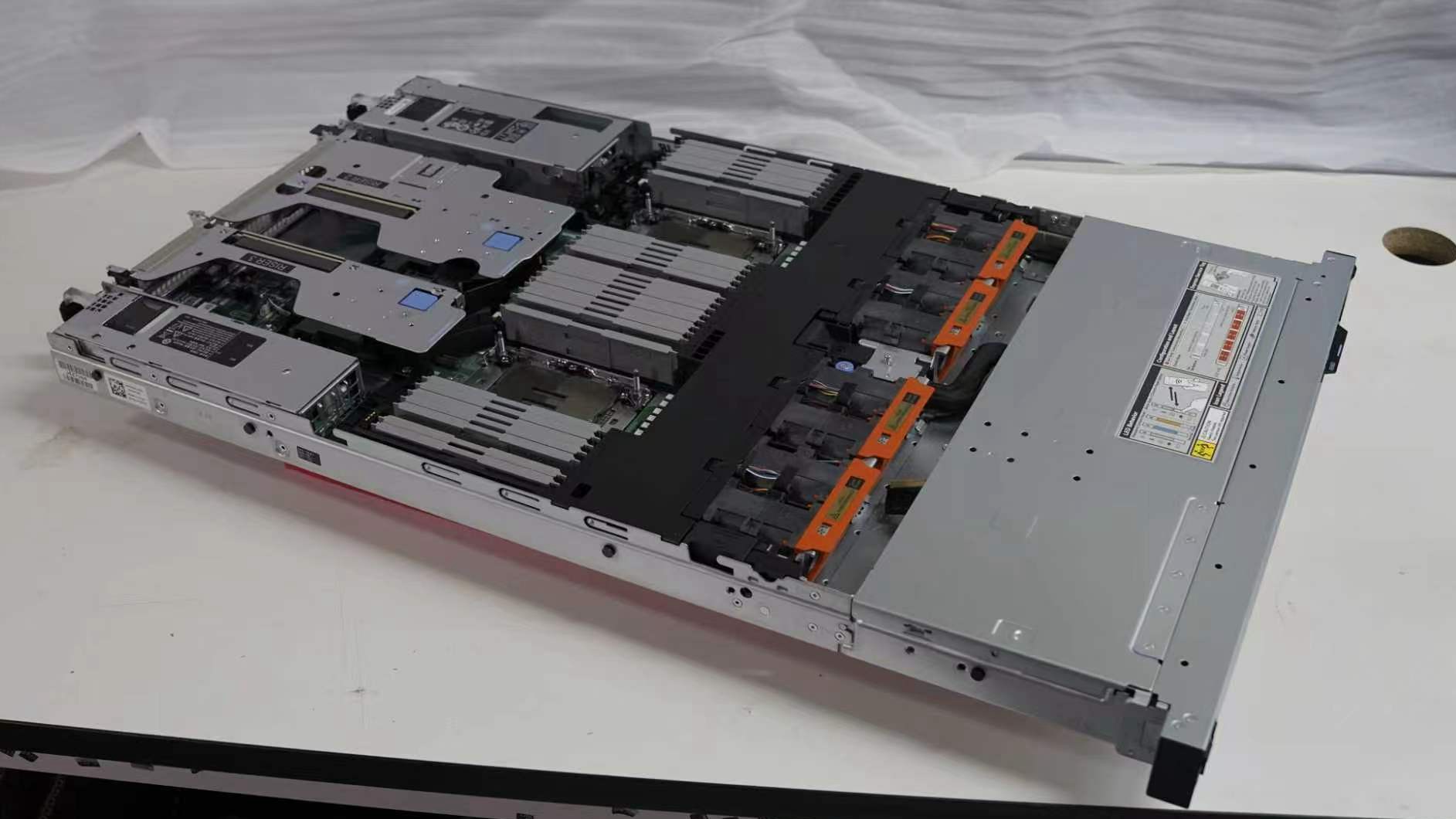
The global enterprise data center ecosystem is undergoing a major technological migration. Server virtualization is no longer limited to basic partition-level hypervisors running legacy databases. Today's architectures require full Software-Defined Data Center (SDDC) integrations, where computing, storage (Software-Defined Storage or SDS), and networking (Software-Defined Networking or SDN) are dynamically pooled and provisioned on-demand. High-density servers, such as 2U 2-socket rack units (e.g., the Dell PowerEdge R760 or customized xFusion 2288H V7 platforms), form the baseline hardware layer for these deployments.
In the age of deep learning models like DeepSeek, standard CPU virtualization is augmented by GPU virtualization (vGPU) and hardware-assisted virtualization technologies. By implementing Single Root I/O Virtualization (SR-IOV) and Intel Virtualization Technology (Intel VT-x), system engineers can bypass traditional hypervisor bottlenecks, providing direct memory access to PCIe components, NVMe SSD storage subsystems, and ultra-high-speed Fibre Channel HBA controllers (e.g., the Emulex LPe35002-M2). NovaAI customizes servers specifically designed to support these complex hardware-pass-through configurations, ensuring minimal latency penalty.
Direct-to-silicon hypervisor deployment (Type 1) engineered for low-level resource scheduling and optimized VM segregation.
Advanced GPU partitioning enables sharing physical accelerators across multiple virtual machines executing inference or deep learning pipelines.
Hardware-level network virtualization allowing virtual machines to share physical interfaces directly, minimizing software translation overhead.
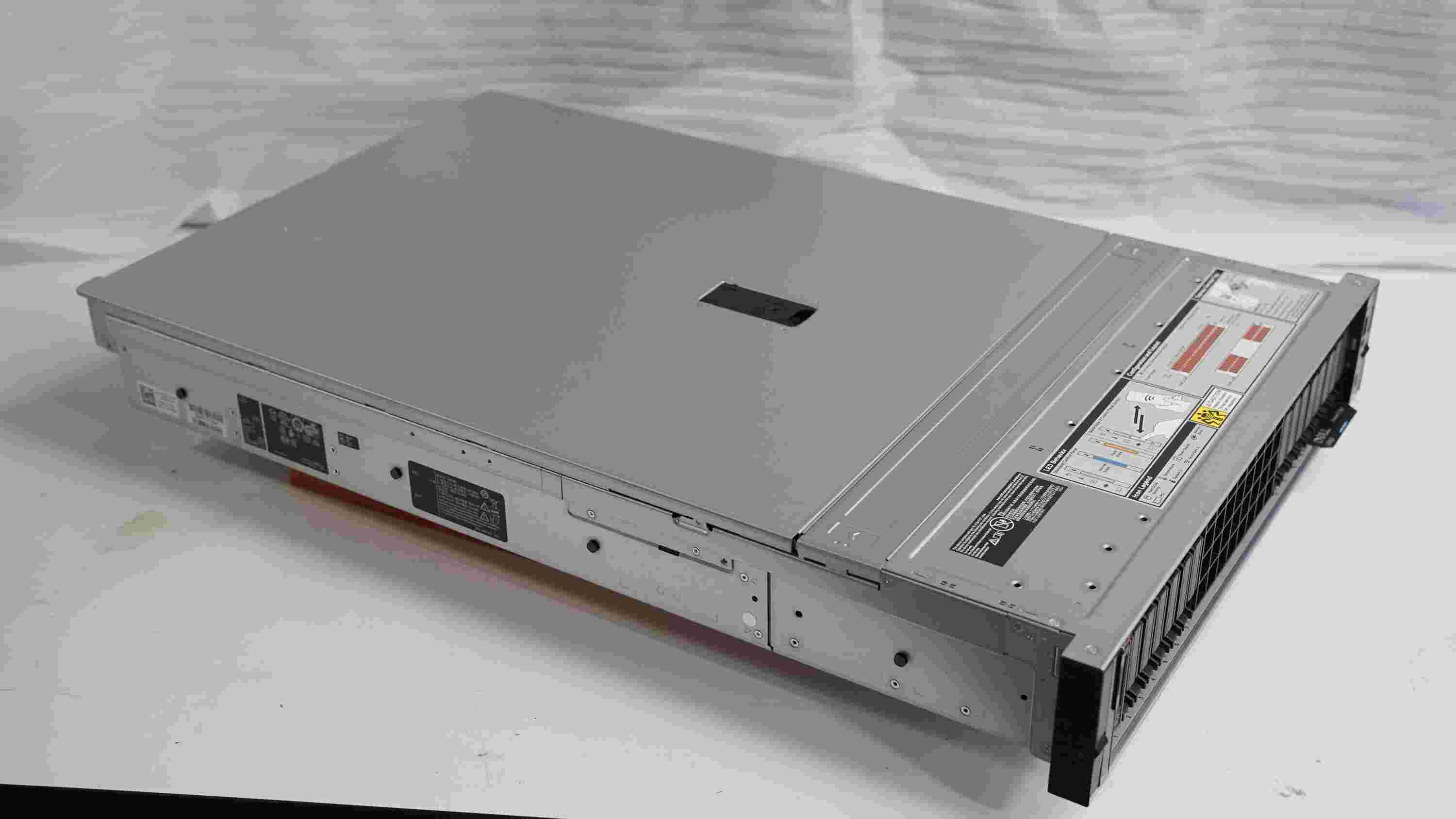
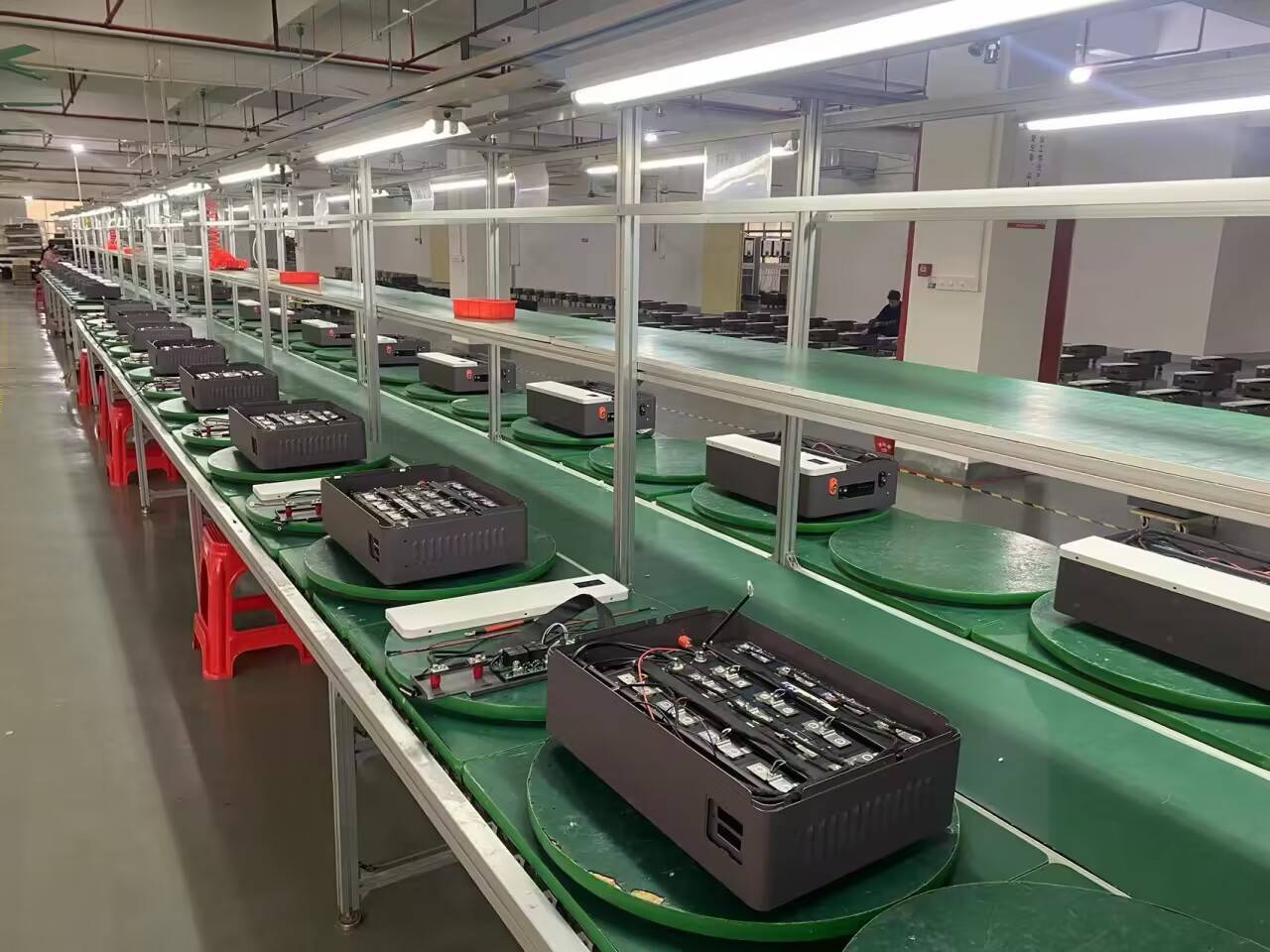
At NovaAI Technology, hardware reliability is the cornerstone of our OEM manufacturing process. Our quality control workflow requires a full inspection procedure for every single node before it leaves our facility. This minimizes field-failure rates for mission-critical virtualization hosts where multiple client environments depend on a single compute node.
Our Quality Management Framework features:
This rigorous approach ensures that components, ranging from internal SAS RAID controllers like the compatible XC170-M-8i card to performance NVMe drives, operate within optimal specifications.
Key market drivers, architectural transitions, and economic models shaping hyperconverged technology across continents.
The global enterprise virtualization market has entered a mature phase characterized by intense competition between commercial proprietary hypervisors and custom, open-source kernel-based virtual machines (KVM) architectures. High operational expenditures associated with commercial licensing fees have pushed fortune-500 firms, cloud service providers, and global engineering enterprises toward open hybrid-cloud frameworks. This transition requires versatile and cost-effective OEM physical servers that offer robust compatibility across diverse software stacks.
According to current market intelligence, demand in Eastern Europe and the Middle East is shifting rapidly towards high-density, multi-node computing models. In these regions, hyperconverged infrastructure (HCI) is highly valued for upgrading aging municipal, logistics, and telecom platforms. In North America, industrial organizations focus heavily on compute-intensive edge deployments and distributed virtualization setups that bring processing close to data sources, lowering WAN latency and network backhaul costs.
| Virtualization Type | Ideal Application Scenario | Primary Hardware Demands | Typical VM Density Profile |
|---|---|---|---|
| Bare-Metal Hypervisor | Enterprise Core ERP & Database Virtualization | High Core Count CPUs, ECC DDR4/DDR5 RAM, Multi-port Fibre Channel HBAs | Moderate (10 - 50 VMs per node) |
| GPU-Accelerated Virtualization | AI Inferencing, Deep Learning, VDI Deployments | Multi-GPU configurations, PCIe Gen 5 expanders, High-Wattage redundant power supplies | Varies (1 - 16 vGPU instances per card) |
| Hyperconverged Infrastructure (HCI) | Private Cloud, Software-Defined Storage & Compute | NVMe PCIe SSDs, Ultra-fast Direct Attach QSFP+ Networking (10G/40G/100G) | High (50 - 200 light VMs per cluster node) |
| Edge Node Containerized VM | Industrial IoT, Telemetry Processing, Branch-Office Host | Short depth, robust thermal tolerance, IPMI 2.0 remote management | Low (2 - 10 localized virtual machines) |
Navigating different national security standards is critical for international computing deployments. NovaAI Technology builds secure compliance frameworks directly into our custom hardware services. Whether deploying virtual nodes in Eastern Europe under GDPR guidelines, in the Middle East under local data center mandates, or in North America under HIPAA/SOC2 constraints, our custom OEM servers are optimized for safety and performance.
To support global deployments, NovaAI delivers customized bios-level and secure-boot integrations, TPM 2.0 encryption support, and remote IPMI configurations. This ensures complete control over the boot chain and hardware roots of trust. Additionally, our R&D engineering team provides fast sample adjustments, ensuring all system configurations meet localized certifications (CE, FCC, RoHS) and specific data sovereignty policies.
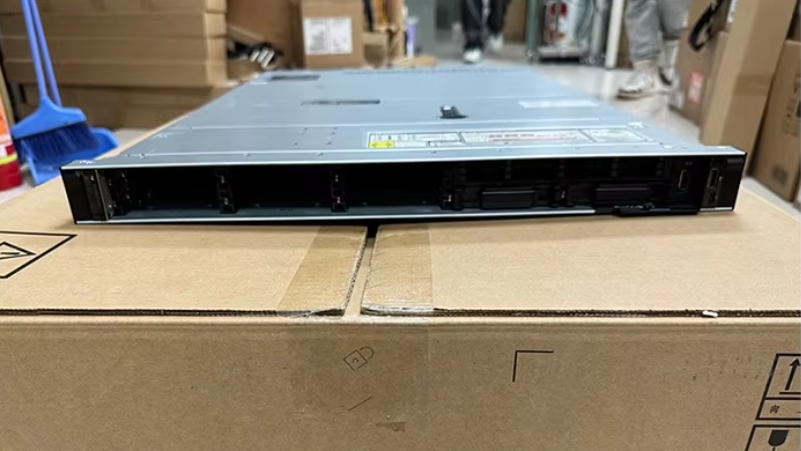
With an output of approximately 100 new products annually and advanced design processing, NovaAI tailors computing systems to match custom requirements.
Hardware optimization is vital for software virtualization. Standard rack configurations can lead to unbalanced CPU-to-memory ratios or restricted I/O bandwidth, causing resource underutilization. Our graduate-led R&D team addresses these imbalances by designing bespoke configurations, adjusting board layouts, and selecting components that maximize data throughput. This engineering expertise translates directly to enhanced hypervisor stability and density.


Real-world integration scenarios demonstrating how our customized OEM computing nodes solve regional computing challenges.
Deploying virtualized GPU clusters running DeepSeek model pipelines. Utilizing short depth xFusion V7 nodes to maximize power density per cabinet footprint.
Running high-density virtualization requiring high-speed storage nodes. Leveraging PCIe EP600 NVMe SSDs and 32GB FC HBA interfaces to clear storage bottlenecks.
High VM density for ISPs and hosting suppliers in Eastern Europe and the Middle East, requiring robust remote monitoring and high-efficiency power supplies.
The upcoming technology transitions in compute density, advanced interconnects, and cooling architectures.
Over the next five years, server virtualization will move beyond traditional PCIe interface models. We are designing new hardware configurations focused on the adoption of Compute Express Link (CXL), which allows memory pooling and sharing between CPUs and accelerators. This technology will permit hypervisors to dynamically scale memory allocations across virtual machines, reducing resource fragmentation.
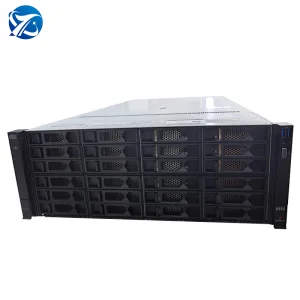
Additionally, with the increase of server TDP to handle high-density GPU virtualization, Direct-to-Chip (D2C) Liquid Cooling is becoming a priority. NovaAI is engineering prototype short-depth 2U and 4U systems optimized for liquid manifolds. This design allows operators to reduce virtualization cabinet PUE (Power Usage Effectiveness) down to 1.15, enabling sustainable, high-density computing clusters.
Technical answers to key inquiries regarding OEM virtualization hardware, compliance, and component selection.
OEM customization allows data center managers to optimize the CPU, memory, and PCIe lane allocation to match their specific hypervisor workload profiles. This prevents resource imbalances, optimizes VM density, and minimizes licensing costs by using exact core counts.
We build high-capacity servers (like the FusionServer G5500 V7) that support multiple enterprise GPUs. We design the motherboard's BIOS and configuration to support SR-IOV and physical GPU pass-through, allowing hypervisors to split hardware accelerators into independent virtual profiles.
HCI depends on fast, low-latency local storage. We recommend installing PCIe NVMe SSDs (like our EP600 NVMe series) and using dual-port high-speed Fibre Channel HBA cards or 10G/40G direct-attach cables to avoid latency spikes across virtual machines during cluster replication.
Every server node undergoes a full out-of-box inspection, checking board levels, connection stability, and performance. All components are traceable, and configurations are verified by our dedicated QA team to ensure they comply with international standards before shipping.
Complete your virtualization environment with high-performance networking cards, array storage options, and redundant GPU platforms.