NovaAI Compute
NovaAI Compute
NovaAI Compute

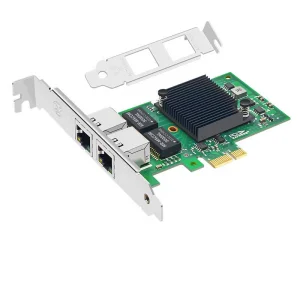
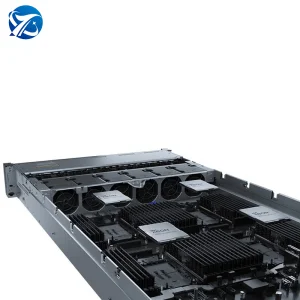
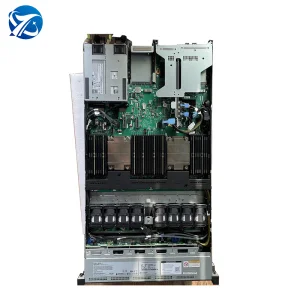
In an era dominated by large language models, enterprise virtualization, and real-time big data analysis, compute performance optimization is no longer just a luxury—it is a critical commercial mandate. Tech landscapes are shifting away from generic off-the-shelf processing units toward highly tuned, system-integrated accelerators. Deploying models like DeepSeek or hosting expansive High-Performance Computing (HPC) tasks demands specialized system layouts, low-latency interconnects, and strict thermal efficiency parameters. This is where dedicated Performance Optimization Factories emerge as the architects of modern computing power.
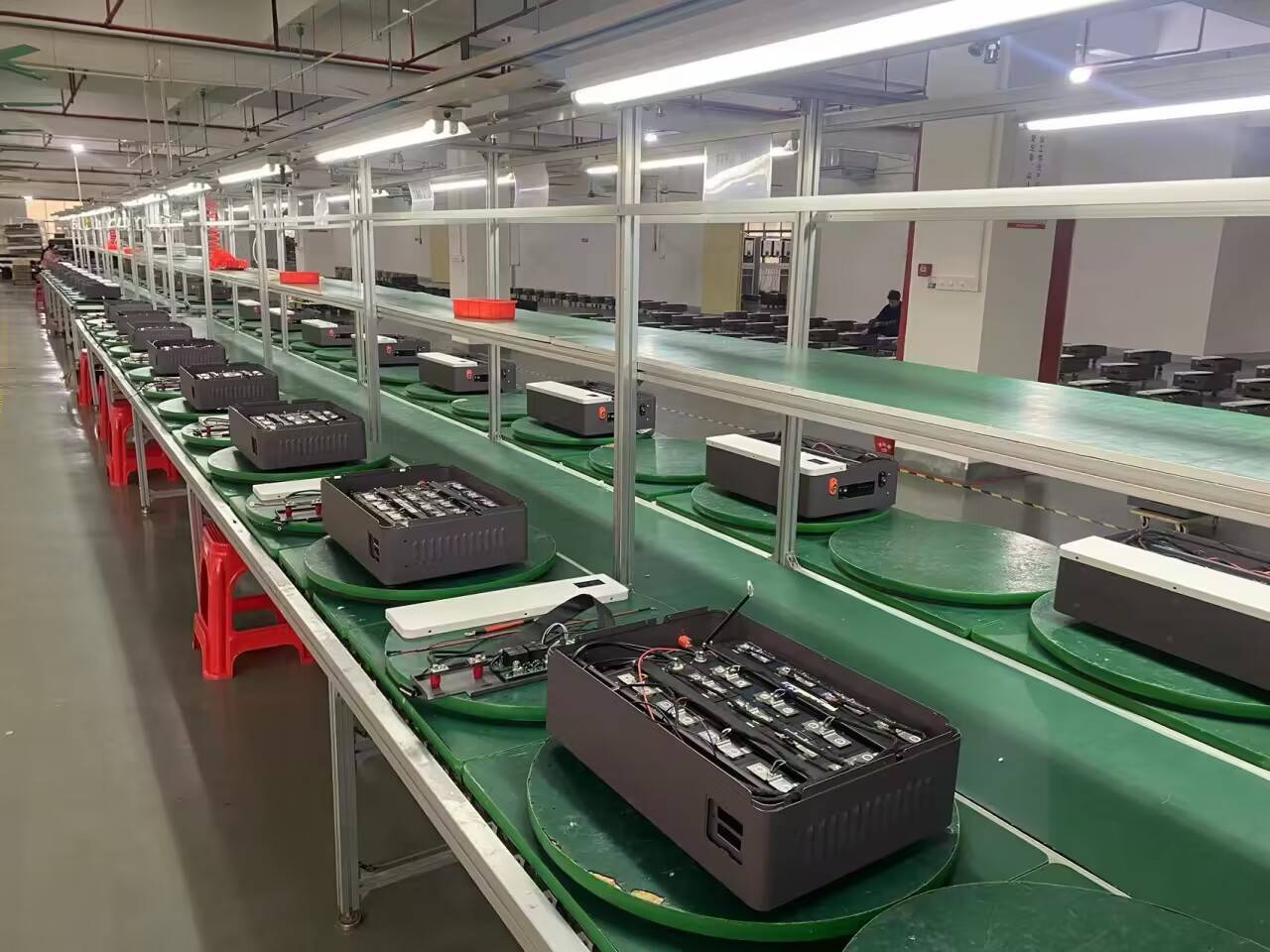
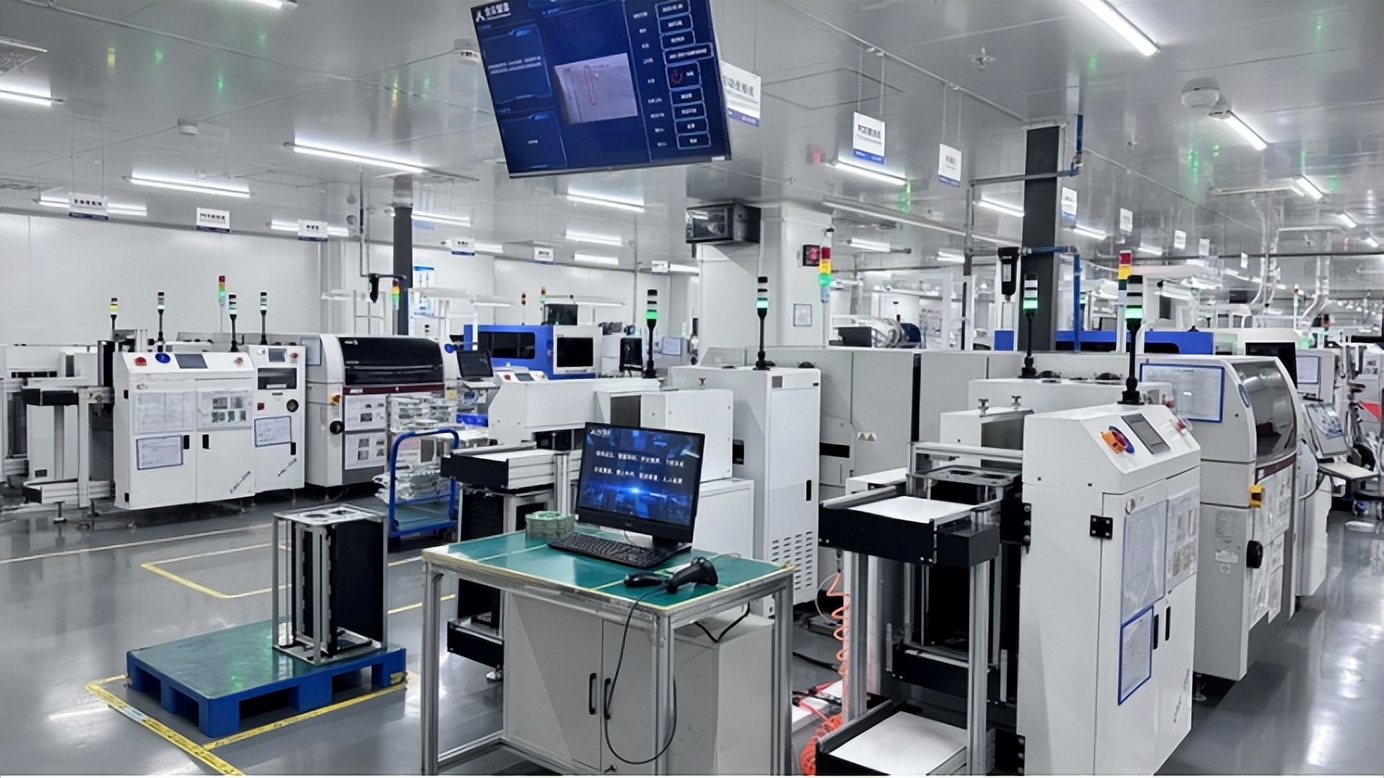
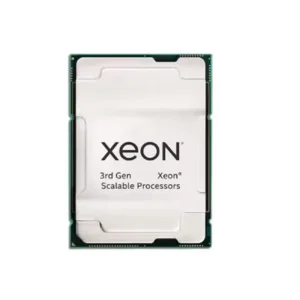
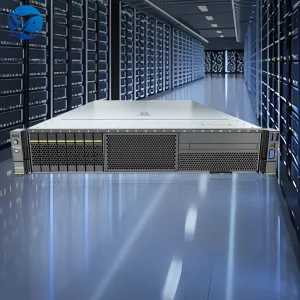
China has positioned itself as the preeminent hub for computing infrastructure assembly, hardware tuning, and localized OEM customization. Guided by advanced engineering protocols, modern factories process raw components—such as Intel Xeon or AMD EPYC processors, enterprise SSDs, and high-performance PCIe GPU kits—and assemble them into coherent server units configured to minimize pipeline latency, maximize data throughput, and operate under stable thermal profiles. Operating at this scale requires a comprehensive grasp of chip architectures, network topologies, and high-precision firmware configuration.
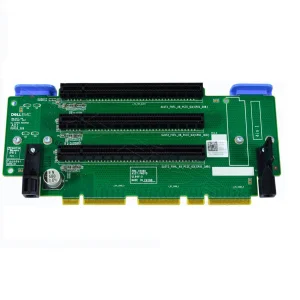
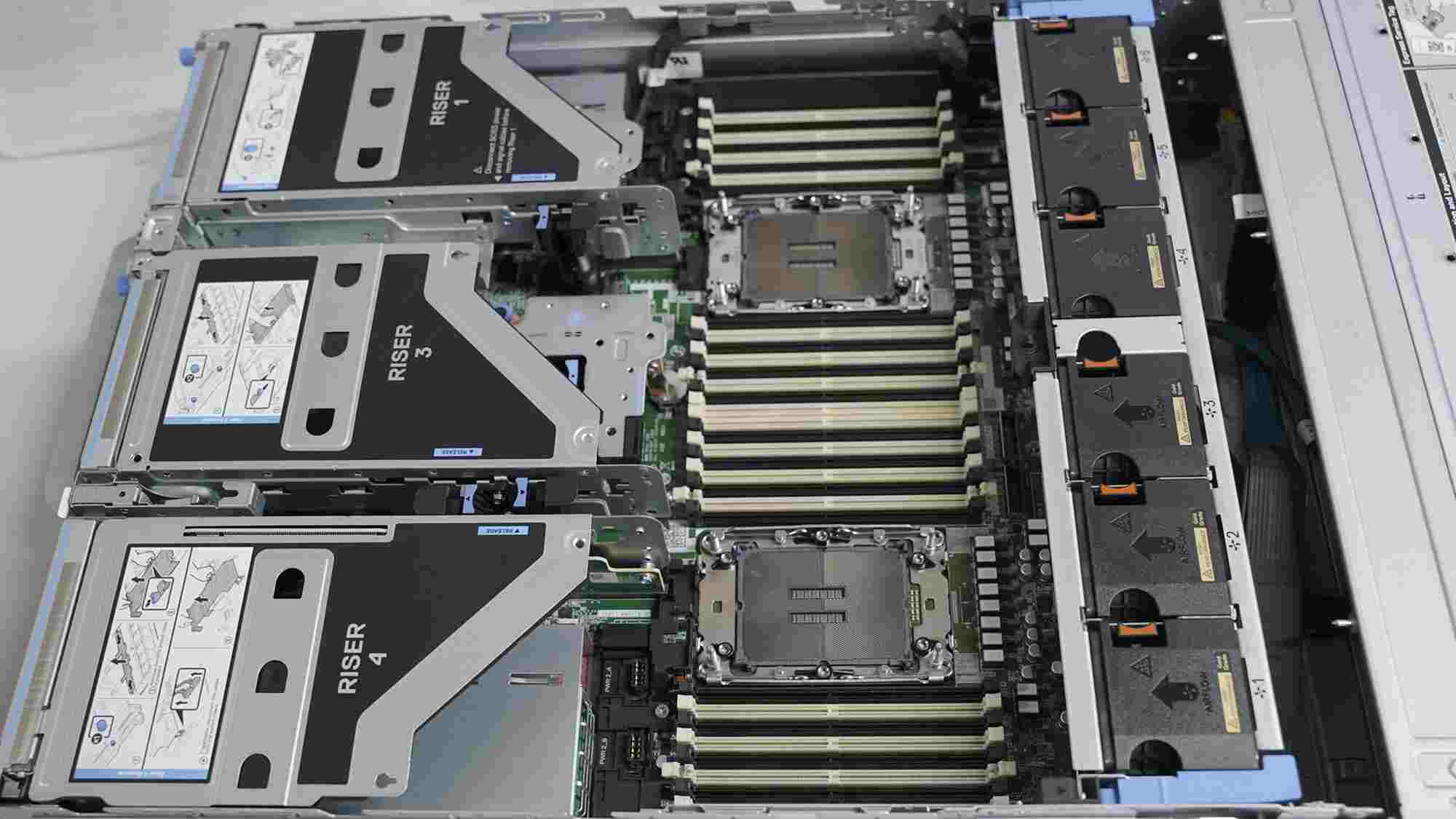
Hardware optimization requires balancing components to eliminate processing bottlenecks. For example, matching cache-coherent processors with high-speed PCIe 4.0/5.0 riser kits and enterprise RAID arrays (configured with 8GB onboard flash cache) enables steady read/write lanes that keep processing arrays supplied with data. Modern factories leverage precise diagnostic methodologies to configure BIOS settings, adjust core clock speeds, balance thermal boundaries, and customize motherboard designs for dense rack configurations.
By designing and implementing customized compute stacks, China-based integration centers ensure that enterprises do not pay for wasted cooling capacity or idle system memory. This system-level tuning is key to achieving lower total cost of ownership (TCO) while meeting performance benchmarks for massive data centers.
NovaAI Technology (Brand: NovaAICompute) has accumulated 8 years of specialized industry expertise in system integration and international distribution, serving buyers globally.
Every server platform undergoes strict, comprehensive diagnostic benchmarking and system configuration checks before leaving our facilities.
Driven by two dedicated graduate-level R&D engineers, we design and configure approximately 100 new, custom hardware adaptations every year.
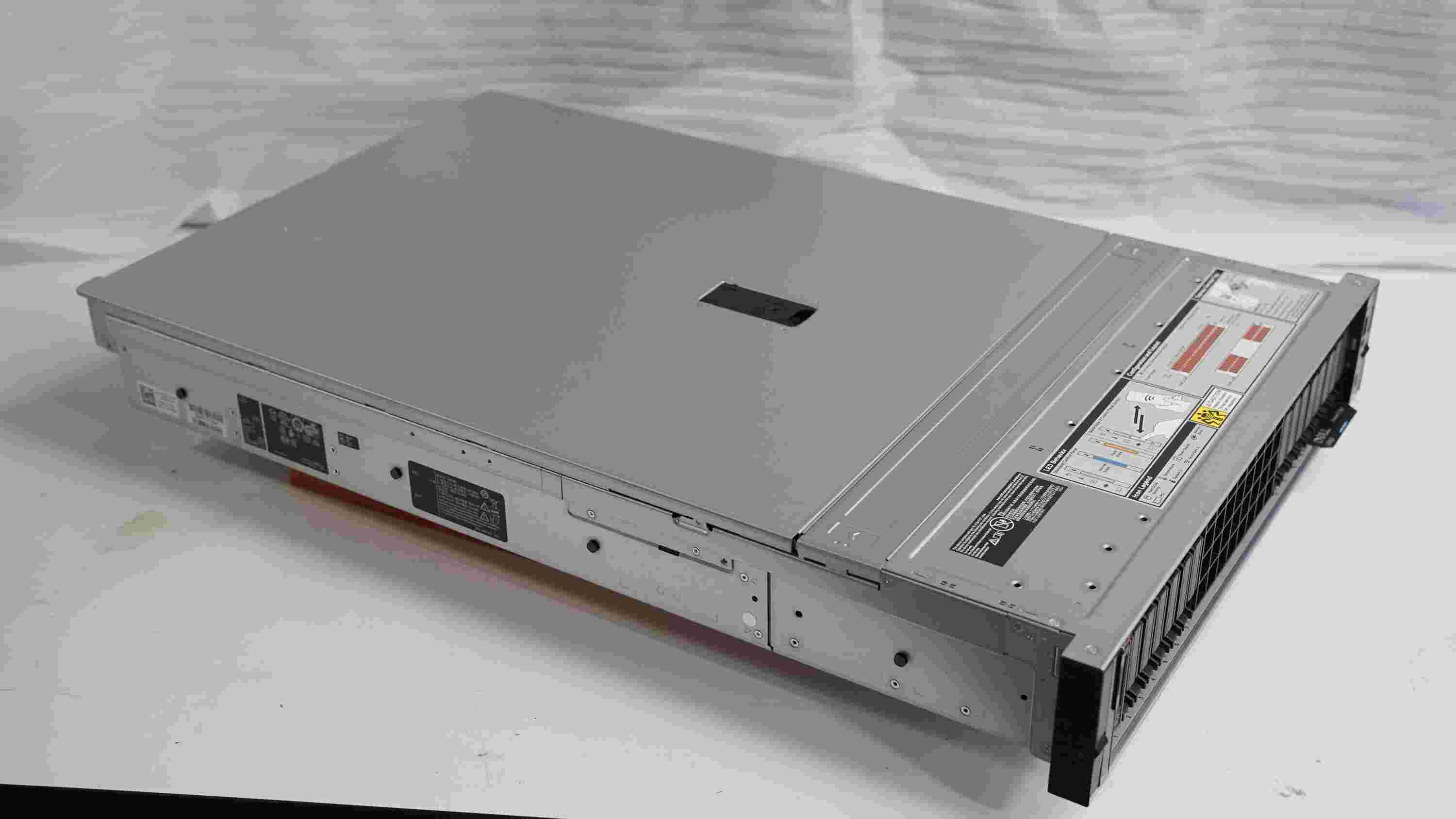
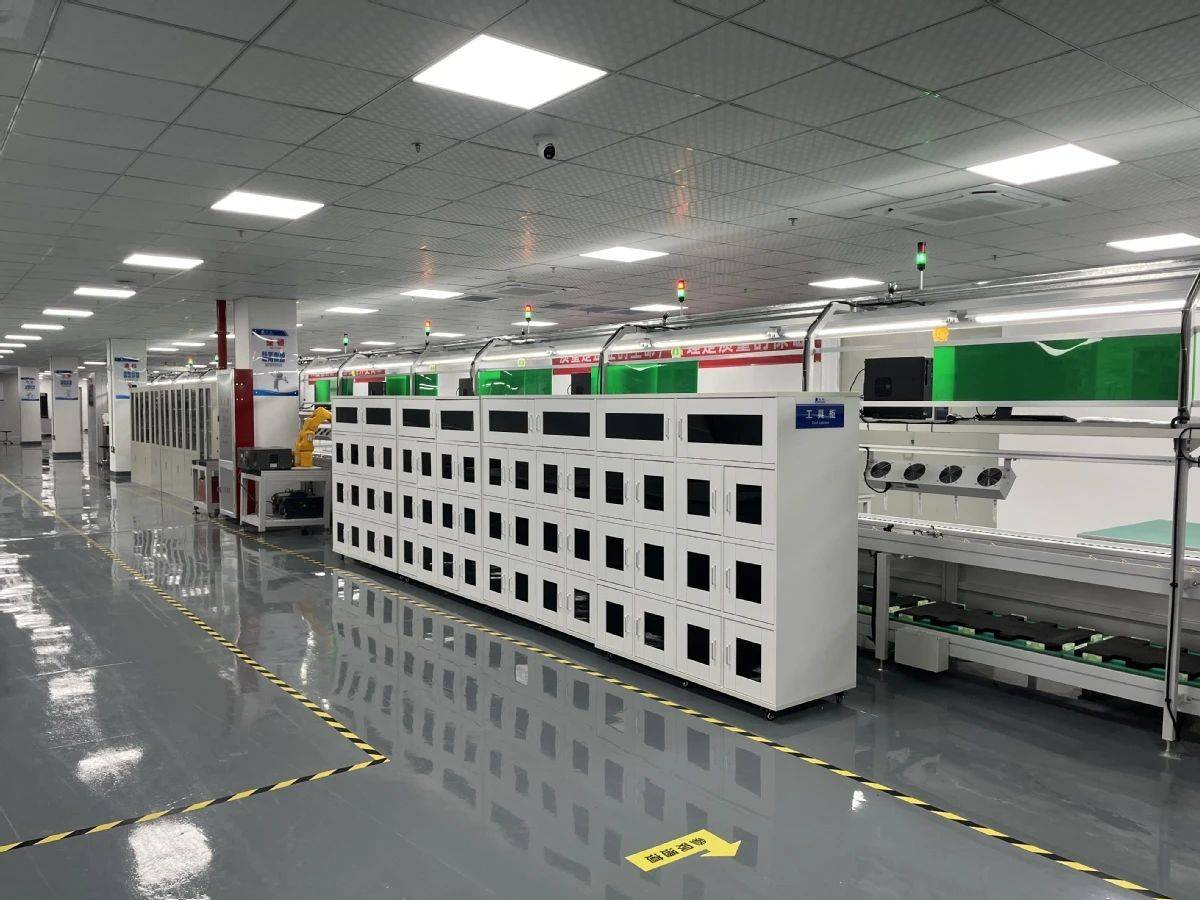
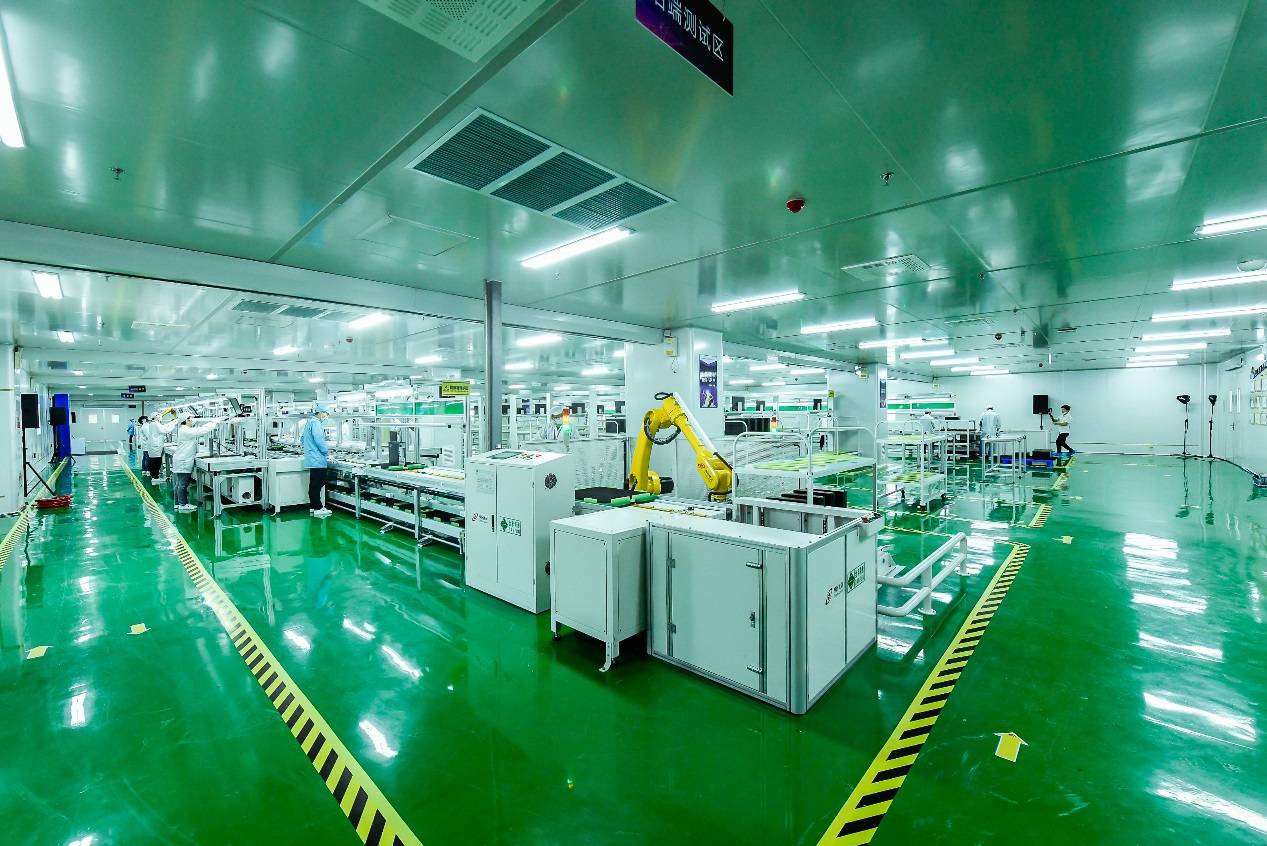
Established in 2018, NovaAI Technology Co., Ltd. (Brand: NovaAICompute) is a professional provider of AI computing infrastructure and high-performance server solutions. Our facility spans a 150 square meter high-precision hardware configuration and diagnostic lab, supported by a network of over 300 collaborative supply chain partners.
We export 15% of our systems to Eastern Europe, 15% to the Middle East, and 10% to North America, achieving an annual export revenue of USD 1.54 million. We serve a diverse range of clients, including brand companies, retailers, engineers, wholesalers, manufacturers, and private users, providing scalable computing hardware tailored to modern deployment requirements.
To keep pace with the computational demands of AI inference (such as DeepSeek) and virtualization, system developers utilize a structured, multi-layer optimization roadmap. By targeting improvements across firmware, I/O bandwidth, storage speed, and thermal control, modern integration facilities build stable hardware configurations.
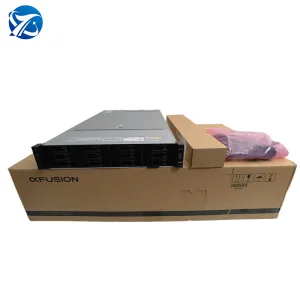
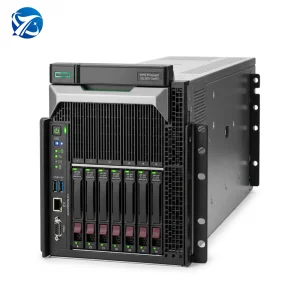
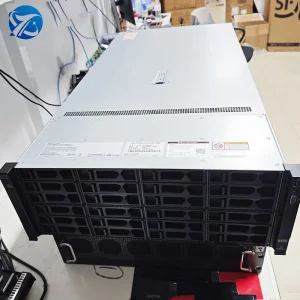
Integrating dense GPU configurations in multi-socket rack servers (like 8U configurations) using specialized PCIe riser card kits. This provides the massive parallel computing pipelines required by machine learning models.
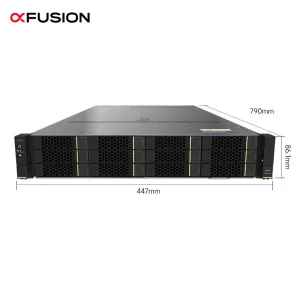
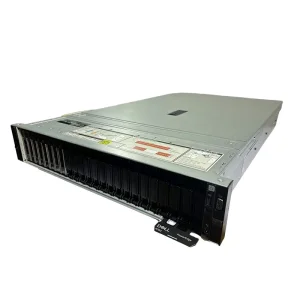
Deploying enterprise SATA/NVMe SSD arrays (e.g., read-intensive PM893 series) paired with hardware RAID controllers featuring up to 8GB cache. This configuration reduces latency and helps prevent data starvation.
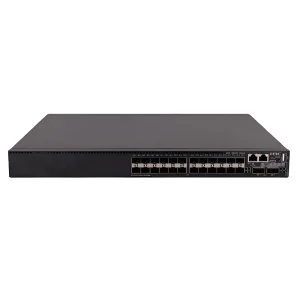
Utilizing advanced network switches (like H3C 10G/40G core network models) to manage internal and external data traffic. This keeps network bandwidth aligned with the speed of your compute nodes.

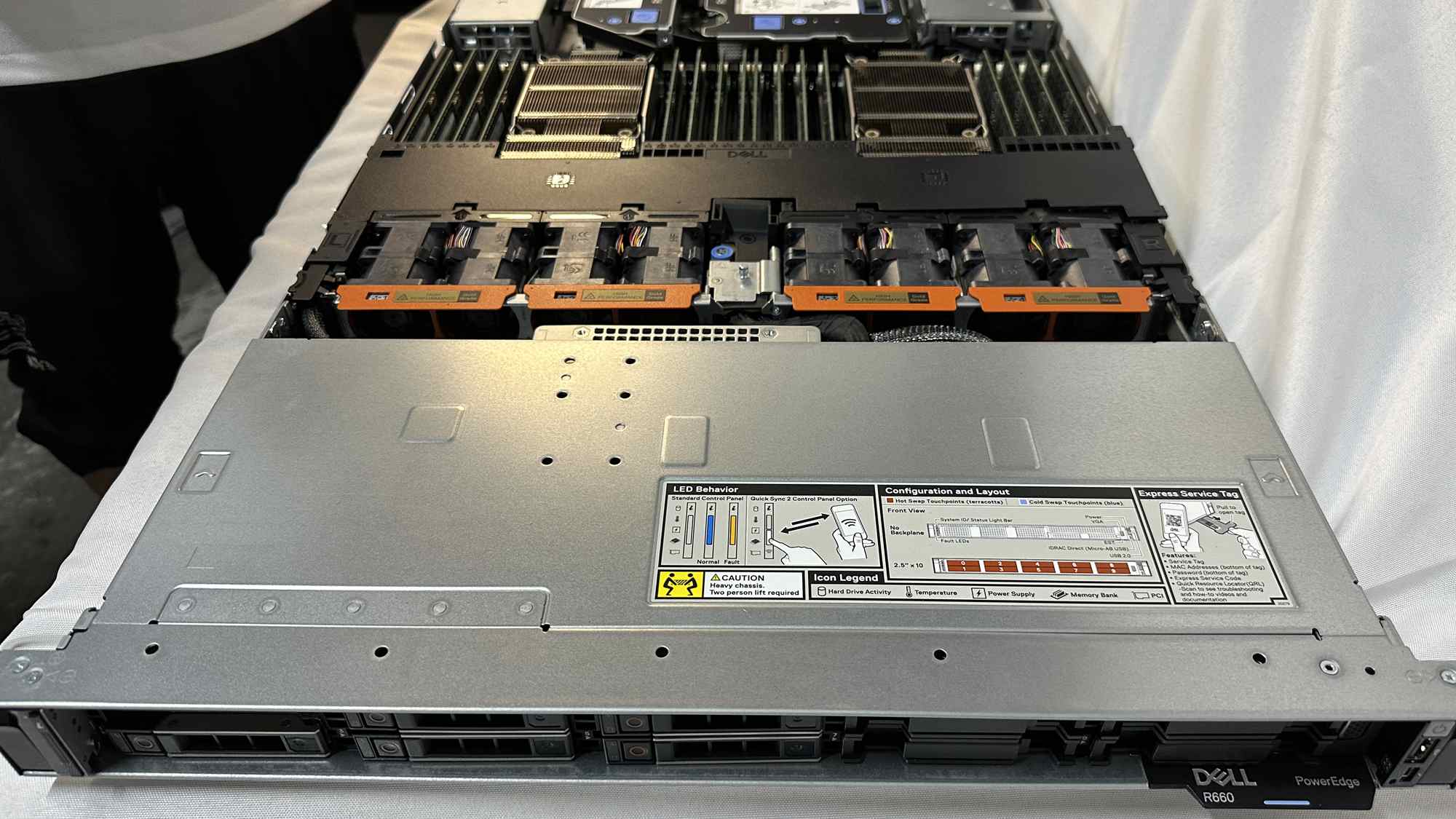
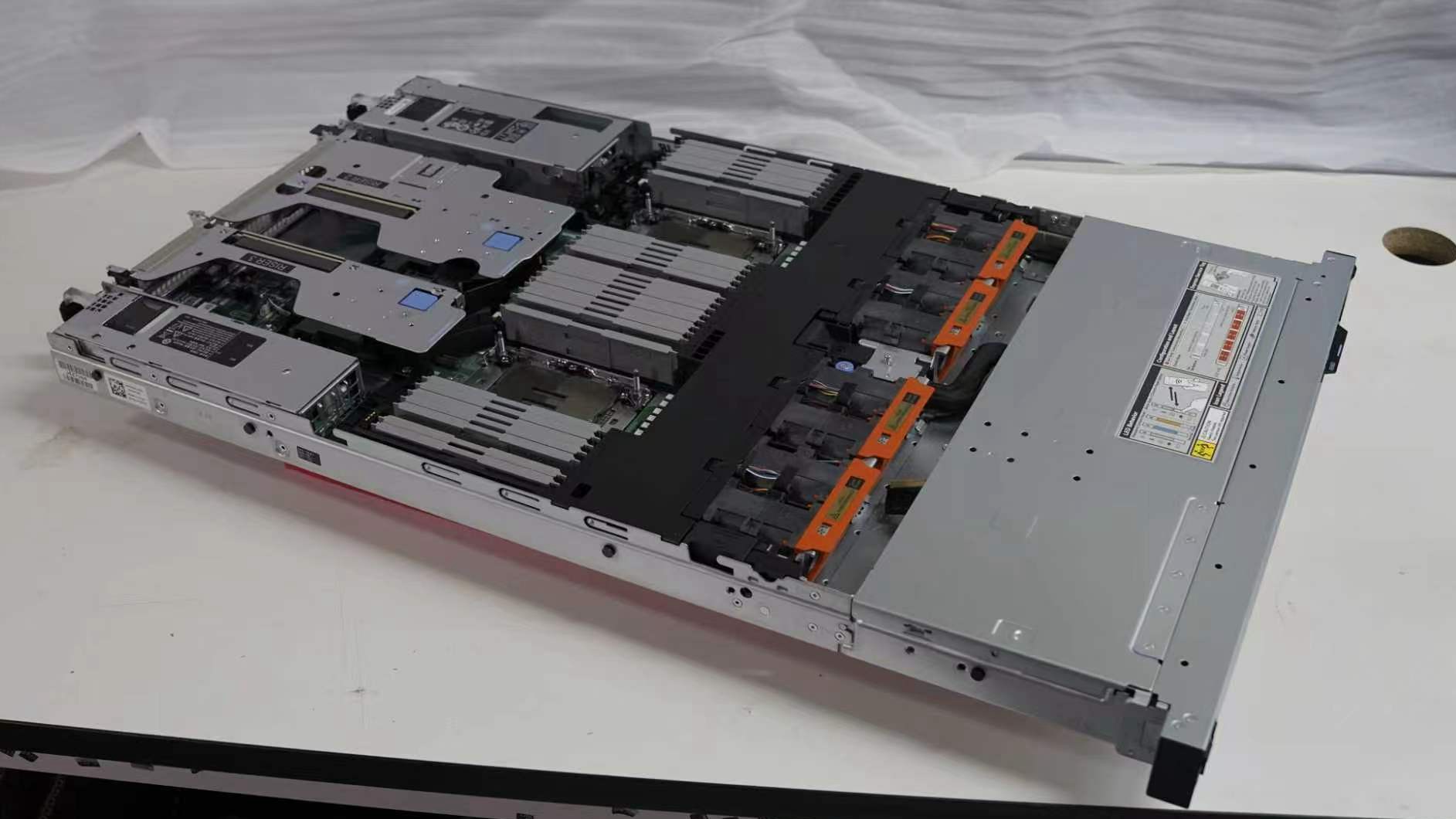
At NovaAI Technology, hardware reliability is backed by systematic quality control. Our quality assurance processes cover everything from component intake to final configuration burn-in tests. We verify that all components are sourced through verified channels and retain full manufacturing history, supporting complete traceability across our integrations.
Our quality control protocols are managed by two dedicated QA professionals who oversee the verification process. Before any system is packaged and shipped, it undergoes extensive testing. This includes monitoring thermal performance under load, running memory diagnostics, and verifying data path integrity under high processing stress.
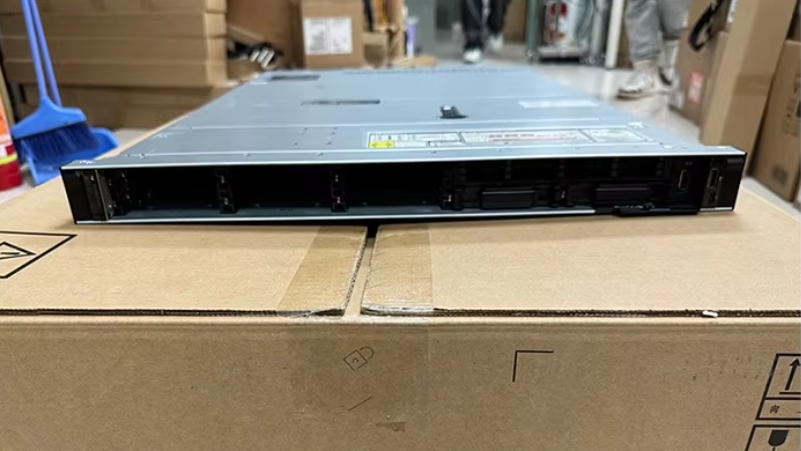
Deploying LLMs requires hardware capable of handling massive parallel calculations and high memory throughput. By configuring servers with multi-GPU support and optimizing BIOS settings for parallel processing, we help ensure your systems are ready for demanding AI workloads.
Our custom server setups are designed to handle model inference efficiently, helping enterprises minimize latency and maintain performance levels when serving large numbers of concurrent requests.

Modern businesses handle massive volumes of data that require fast, reliable access. We assemble storage solutions using enterprise SATA/NVMe drive bays paired with dedicated caching controllers to optimize read/write performance.
By prioritizing I/O consistency and implementing hardware redundancy, we build storage systems designed to support continuous access and data availability for critical business applications.

A high-speed compute cluster is only as fast as its slowest network link. To avoid network-level bottlenecks, we integrate core switches that feature Layer 3 routing capabilities, 10G/40G optical interfaces, and link aggregation.
This setup provides the network backbone required to handle data transfers between computing nodes, storage arrays, and client networks without causing packet loss or queue delays.